
We know that exercise is one of the most powerful tools we have to extend healthy life but we still don’t know what type of exercise matters most with various studies touting walking, high-intensity interval training (HIIT) or strength training as what to focus on. A new major study has added new insights to the debate, whilst supporting what decades of epidemiology and physiology research have been broadly indicating.
What the study found
This prospective cohort study, published in BMJ Medicine in 2026, followed over 100,000 healthy adults for over 30 years. They tracked levels of different types of aerobic activity (such as walking, cycling, running), muscle-strengthening exercise, lower intensity exercise (yoga, stretching), outdoor work and sports-based activities.
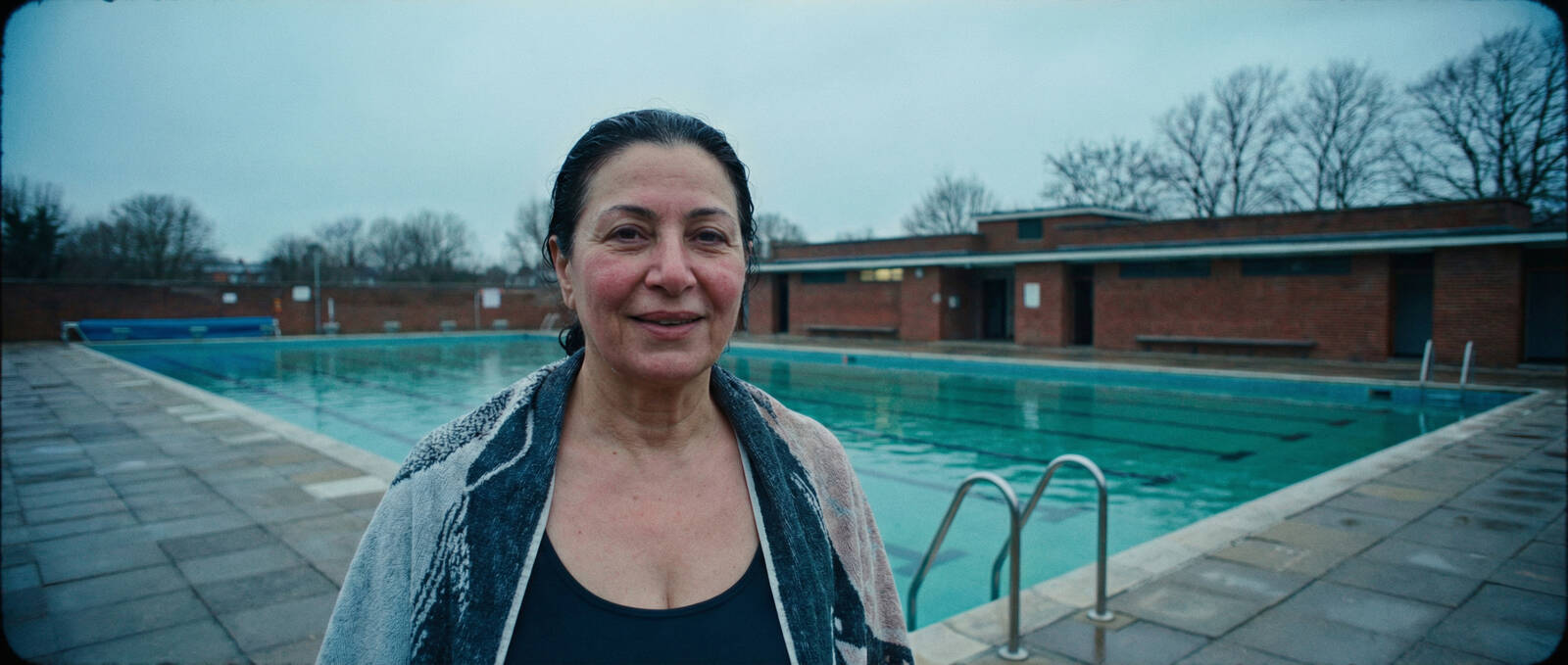
Unsurprisingly, those who had higher levels of physical activity had lower mortality over the follow up period. Walking was found to be the one of the activities that had the strongest association with lower mortality, along with racket sports, rowing and strength training. Swimming was the only activity that showed no clear association with reduction in mortality; it is not clear why this is, but it could be that those who choose to swim may have other reasons for not doing other sports. The authors also noted that swimming has a lower average intensity than some of the other sports. The benefits of being active rose steeply from those who were inactive to those who were moderately active, and then plateaued at higher levels of activity.
After adjusting for total activity volume and lifestyle factors, those reporting the greatest variety of activities had a 19% lower risk of death compared with those reporting the least variety. This meant that for those doing a certain number of hours of exercise a week, those who practised different forms of activities had better outcomes than those doing the same number of hours with a single form of exercise.
How robust is this evidence?
This was an observational study, which means it can identify associations but cannot prove that exercise directly caused the differences in health outcomes. Several limitations should be kept in mind.
First, physical activity was self-reported. When researchers compared participants’ reports with objective measurements in validation studies, the correlation was about r = 0.6, which indicates moderate agreement but substantial measurement error. In simple terms, people’s reports of how active they are only partly match what objective devices record.
Second, people who are already healthier are more likely to remain active. This creates the possibility of reverse causation: some participants may be exercising because they are healthy enough to do so, rather than becoming healthy because they exercise.
Third, individuals who take part in a wide variety of activities are often those with better mobility, fewer chronic conditions and higher baseline fitness. The apparent benefit of “activity variety” could therefore partly reflect underlying health and functional ability rather than the variety itself.
These limitations are common in long-term population studies that look at exercise and health. Researchers attempt to adjust for them statistically, but some residual bias almost always remains.
However, the findings are also highly consistent with earlier pieces of research which increases our confidence in the results. For example, a large US cohort study found that people who met aerobic guidelines had about a 25–40% lower risk of death, those who did strength training alone had about a 10–15% lower risk, and those who did both had the lowest risk overall, around 50% lower than inactive adults. So although each study in isolation has clear limitations, when you look at the body of evidence as a whole we can be fairly confident of the relationship between staying active and staying healthy.
Why diversity of exercise matters even more after 60
This study provides useful evidence that it’s not only the number of hours you spend per week being active but it’s also how you split these hours between different forms of exercise. This may be particularly relevant later in life when maintaining strength, balance and aerobic capacity becomes critical for independence.
We already know that strength training is essential. Ageing is accompanied by progressive loss of muscle mass and strength and reduced bone density. Resistance training directly counteracts these effects, so is an essential part of keeping fit well into older years. Read more about muscle loss with age here.
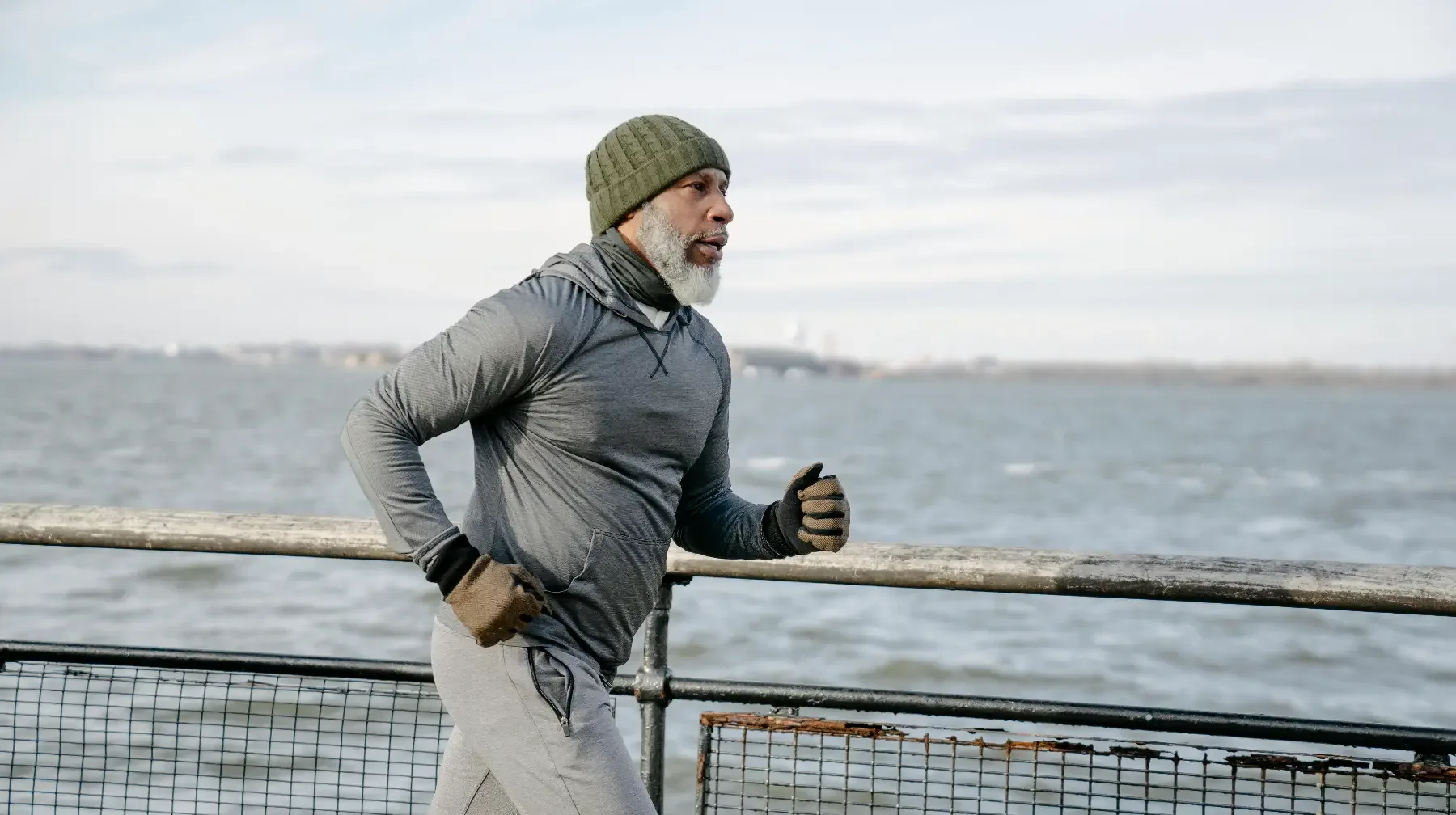
But aerobic activity remains foundational. Cardiorespiratory fitness is one of the strongest predictors of survival ever identified. Higher VO₂ max, which is a measure of cardiovascular ability, is associated with markedly lower mortality risk, even into the eighth decade of life. VO₂ max, is mainly improved through higher-intensity aerobic exercise. So although the BMJ Medicine study showed that most mortality benefits accrued at moderate activity levels, such as brisk walking, higher-intensity exercise can further improve cardiorespiratory fitness, which is itself a strong predictor of longevity.
And what about the others? This study clearly highlights that the greater diversity of exercise you incorporate the better. One explanation is that each type of exercise trains your body in a slightly different way, all of which build the functional fitness you need to stay healthy and independent for longer. For example, racket sports provide high intensity aerobic intervals as well as training reflexes, coordination and essential social engagement. Yoga can improve balance and flexibility and swimming can provide sustained aerobic benefits whilst not putting pressure on tired joints. So, whilst a balance between strength training and aerobic exercise is important to get right, achieving this through as many different types of activity as possible will ensure you are accumulating the full range of functional benefits each exercise has to offer.
What does this all mean?
This latest evidence points to a clear conclusion: longevity is best supported by combining a variety of activities, not by focusing on one activity at the expense of others.
For adults over 60, the evidence supports the following approaches to physical activity:
- Aerobic activity: At least 150 minutes per week of moderate (such as brisk walking) or intense (jogging, cycling) activity
- Strength training: At least two sessions per week involving major muscle groups, aiming for progressively harder resistance each week to build strength.
- Functional focus: Exercises that support balance and coordination can reduce fall and frailty risk.
- Social engagement: Many forms of physical activity can be done with others. Walking with a friend, taking up a racket sport, community gardening or joining a cycling club can all help you meet your weekly activity goals whilst addressing one of the other major pillars of healthy aging.
- Variety is key: Try different ways of incorporating physical activity into your week rather than focusing on one or two types of exercise. Take a look at our guides to pickleball, swimming and pilates.
Bottom line
This study strengthens an already robust evidence base. Physical activity is a key pillar of healthy aging, and the advice is simple: some is essential, more is better. So the question is not whether to exercise, but how. This study suggests a blended approach is key to healthy ageing; keep moving to protect your heart and vessels, keep lifting to protect your muscles, metabolism, and independence and make sure you are building in different types of movement to keep you functionally fit.