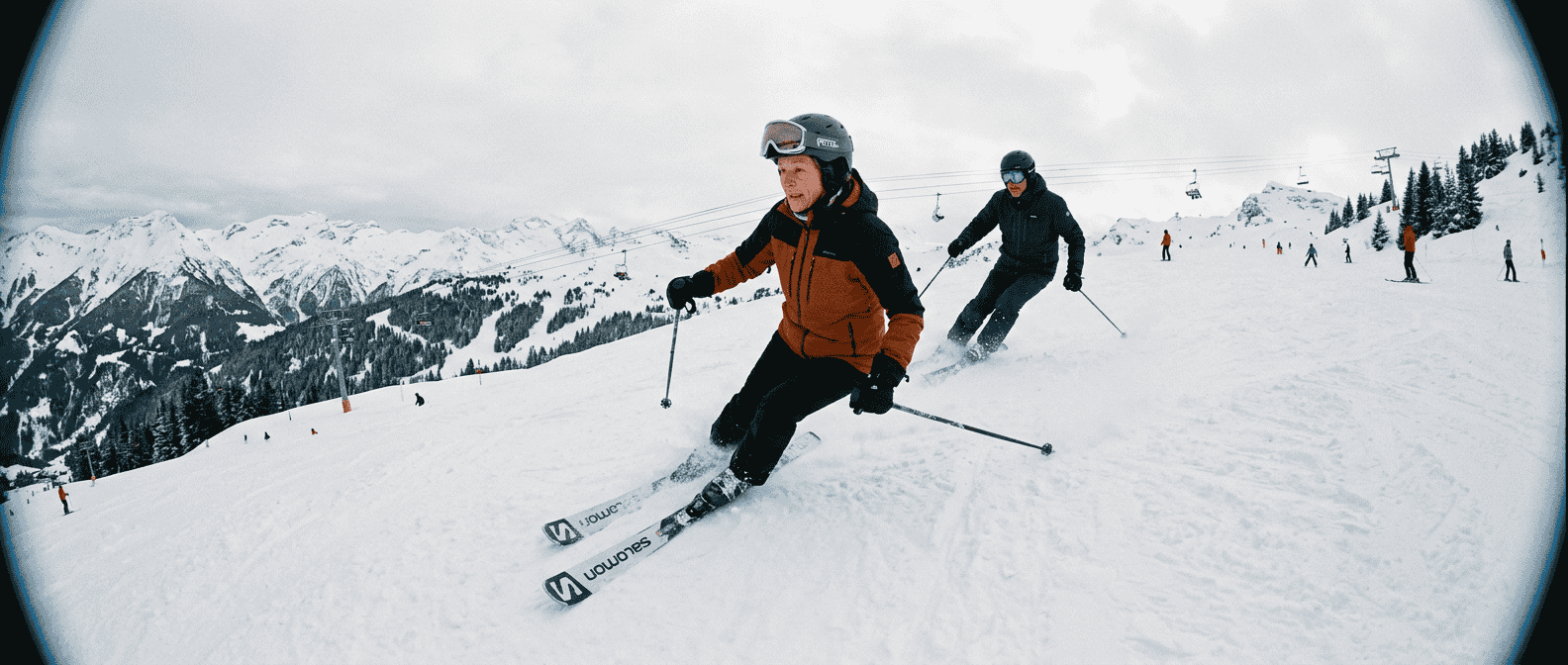

Have you always wanted to try skiing? Well, later life is the perfect time to take the slopes! At Lateral, we’re all for encouraging new hobbies and activities at any age, but it goes without saying that skiing over 60 provides a heightened sense of adrenaline.
If you’re thinking about planning a mountain getaway with skis in tow, this guide is your starting point.
Although skiing is often associated with younger holidaymakers or family trips, an increasing number of people over 60 are discovering the enjoyment of winter sports.
Whether you’re returning to skiing after many years away from the slopes, or trying it for the first time, skiing is one of the most rewarding activities.
With the right preparation, guidance and pace, skiing combines physical activity, social connection and beautiful scenery, what more could you ask for?
Today, many modern ski resorts welcome skiers of all ages and abilities. Beginner-friendly pistes, improved lift systems, professional instructors and high-quality rental equipment all make learning to ski more accessible than ever before.
And, when it comes to equipment, no need to worry. Modern skis are typically lighter, easier to control and more forgiving than older designs, which can make learning less physically demanding for beginners.
Skis at the ready, here’s all that you can benefit from when you choose a skiing holiday after 60.
The Modern Ski Resort: More Accessible Than Ever
Today, many modern ski resorts welcome skiers of all ages and abilities. Beginner-friendly pistes, improved lift systems, professional instructors and high-quality rental equipment all make learning to ski more accessible than ever before.
And, when it comes to equipment, no need to worry. Modern skis are typically lighter, easier to control and more forgiving than older designs, which can make learning less physically demanding for beginners.
Skis at the ready, here’s all that you can benefit from when you choose a skiing holiday after 60.
Should You Start Skiing After 60?
It’s completely natural to wonder whether skiing is even appropriate after a certain age. Many people wonder whether learning to ski later in life is realistic and the truth is that age itself is rarely the main barrier.
Skiing over 60 is absolutely encouraged!
Attitude, preparation and sensible pacing should be the focus when it comes to skiing.
Every year, ski schools welcome beginners well into their sixties, seventies and beyond. With the right instruction and a supportive environment, people of many ages can learn the basics of skiing.
Many ski resorts run adult-focused beginner lessons designed specifically for people who may not have previous experience with winter sports. These lessons typically focus on balance, safety and building confidence rather than speed or advanced techniques, so that you can comfortably learn at your own pace.
For people who have skied earlier in life, returning to the slopes can feel familiar, but you will likely want a refresher.
The good news is that even after many years away from skiing, muscle memory and basic skills often return quickly with a little practice.
The key is to approach skiing gradually, slow and steady is always the way. Starting at a slower pace allows the body to adapt to the movements required for skiing while reducing the risk of fatigue or injury.
It can also help to choose beginner-friendly terrain and allow time to rest between sessions. Ski holidays do not need to be rushed or intense in order to be enjoyable, there’s so much more to these types of holidays than the skiing activity itself.
Ultimately, skiing after 60 for many is less about performing well and more about enjoying the environment, the activity and the experience of learning something new.
Benefits of Skiing After 60.
As mentioned, skiing over 60 offers an abundance of benefits, some of which you may not have considered before. Here’s what you can expect from a skiing holiday.
Physical activity.
First and foremost, skiing involves controlled movements that engage muscles in the legs, core and hips. These movements can help develop balance, coordination and strength over time.
Maintaining muscle strength and balance becomes increasingly important with age, and activities including skiing can support these abilities in an enjoyable way.
Time outdoors.
If you love the outdoors, skiing is one of the best activities you can choose.
Mountain environments offer clean air, wide open spaces and breathtaking views. You’ll never tire of spending time outdoors while skiing, which can significantly contribute to your overall wellbeing and relaxation.
Many people find that the peaceful atmosphere of snow-covered mountains helps reduce stress and encourages a slower pace of life during a holiday.
Social interaction.
Skiing is a social activity that brings people of all walks of life together.
Whether travelling with friends, family members or organised groups, ski holidays offer opportunities to meet people and share experiences which is a huge benefit.
Many resorts host social events, mountain restaurants and group lessons where travellers can connect with others and spend quality time together.
Mental stimulation.
Learning a new skill later in life is often very mentally rewarding.
Developing new techniques, navigating slopes and building confidence on skis will no doubt provide a strong sense of achievement.
This combination of physical activity and mental engagement can help keep both body and mind active, which is especially important after 60.
Enjoyment and adventure.
Above all, skiing can simply be fun!
Gliding across fresh snow while surrounded by mountain scenery is an experience many people find exhilarating and memorable.
For some travellers, a ski holiday becomes a new annual tradition and you may find that you meet friends along the way to holiday regularly.
Preparing Before Your Trip.
Preparation is key for any type of activity-focused holiday, especially when it comes to a ski trip.
By following the advice below, you’ll ensure that your ski trip is as comfortable and enjoyable as possible.
Check with a clinician if necessary.
Before booking a ski holiday, if you have existing health conditions or concerns about mobility, it’s important to speak with a healthcare professional before travelling.
They can provide guidance on whether skiing is suitable for your situation and suggest precautions where necessary.
Assess fitness and mobility.
Basic fitness can make skiing easier, particularly during the first few days when the body is adjusting to unfamiliar movements.
Activities such as walking, swimming, cycling or gentle strength exercises can help prepare muscles and joints ahead of a ski trip.
Improving balance is also beneficial, as skiing requires the ability to maintain stability while moving downhill.
Fitness helps but isn’t essential.
It’s important to remember that you don’t need to be an athlete to start skiing. Many beginners learn gradually through short sessions and beginner lessons.
Building stamina can happen naturally over the course of a ski holiday, so don’t put too much pressure on yourself!
Choose the right resort.
With a huge selection of ski resorts to choose from across Europe, knowing which one to book can be quite overwhelming.
We recommend that you look for destinations with:
- Wide beginner slopes
- Reliable snow conditions
- Good ski schools
- Easy lift access
- Comfortable accommodation near the slopes
Also, don’t forget that many ski clubs do have dedicated beginner zones where learners can practise safely away from faster skiers.
Choosing Ski Equipment.
For an enjoyable and comfortable skiing experience, the right equipment is key.
Ski boots.
Ski boots provide the connection between your body and your skis, so a good fit is essential.
Boots should feel snug enough to support your ankles without causing pain or excessive pressure. Most ski rental shops offer professional fitting services to ensure the correct size and shape.
Skis.
Modern skis are much easier to control than those used decades ago. Many are designed with shapes that help beginners turn more easily and maintain stability.
Rental shops in ski resorts typically offer skis suited to different ability levels. Beginners are usually provided with shorter, more forgiving skis that are easier to manoeuvre.
Clothing.
Mountain weather can change quickly, so bringing layers with you is an absolute must.
A typical ski outfit may include:
- Thermal base layers
- An insulating mid-layer such as fleece
- A waterproof ski jacket and trousers
- Warm gloves or mittens
- Ski goggles or sunglasses
- A helmet
Layering allows you to adjust clothing throughout the day depending on temperature and activity levels.
Lessons for Beginners.
Are lessons worth it?
For beginners, professional lessons are highly recommended and a wise choice.
Qualified instructors teach the fundamental techniques required for skiing, including how to balance, turn and stop safely.
Lessons can also improve safety by teaching proper posture and movement, which again, is important after 60.
Beginner packages.
Many ski resorts offer beginner packages that combine:
- Ski lessons
- Equipment rental
- Lift passes for beginner slopes
These packages often simplify the learning process and reduce the stress of organising each element separately.
Building confidence gradually.
Most beginners start on small practice slopes, sometimes called nursery slopes. These gentle ski areas allow learners to practise basic movements before progressing to longer pistes.
Taking the learning process step by step helps build confidence and reduces anxiety about steeper terrain.
Safety Basics on the Slopes.
Warm up and stretch.
A short warm-up before skiing can help prepare the muscles and joints for activity. Simple stretches and gentle movements can reduce stiffness and lower the risk of injury.
Pace yourself.
Senior skiers often benefit from skiing in shorter sessions with regular breaks.
Stopping for coffee, lunch or simply to enjoy the scenery will help you to keep your energy levels up and prevent fatigue.
Stay hydrated.
Cold weather can reduce the sensation of thirst, but the body still requires fluids during physical activity.
Ensure that you’re drinking plenty of water throughout the day to maintain energy and concentration.
Allow time to adjust to the altitude.
Some people experience mild symptoms such as fatigue or headaches during the first day or two at altitude.
Taking the first day slowly and resting when necessary can help the body adjust to being high in the mountains.
Ski within your ability.
Choosing slopes that match your ability level is one of the most important safety principles.
Beginner and intermediate pistes are designed to be wider and less steep, making them more suitable for relaxed skiing. Remember, there’s no need to perform!
Getting Back Into Skiing.
For people who previously skied many years ago, returning to the slopes can be both exciting and slightly intimidating.
Start gently.
Returning skiers often benefit from starting on easy slopes to rebuild confidence. A refresher lesson with an instructor can also help reintroduce the basic techniques.
Focus on balance and control.
Maintaining balance is key to controlling skis safely. Make sure to focus on posture and smooth movements to maintain stability on the slopes.
Control your speed.
Speed on skis is usually controlled through turning rather than braking. We recommend that returning skiers focus on how to turn across the slope to better manage speed and control.
Building Strength and Stamina.
Start with shorter sessions.
During the first few days of skiing, shorter sessions can help the body adjust to the physical demands of the sport.
Increase time gradually.
As confidence and strength improve, many senior skiers gradually increase the length of their sessions on the slopes.
Strength and balance exercises.
Exercises that strengthen the legs and improve balance can support skiing ability.
Examples include:
- Squats
- Step-ups
- Balance exercises
- Gentle yoga or stretching
These activities can help build stability and endurance for skiing movements.
Technique Basics.
Controlling speed safely.
Turning across the slope is one of the most effective ways to control speed.
Beginners often learn a technique known as the snowplough, where skis form a wedge shape to slow down.
Efficient turning.
As confidence grows, skiers begin to link turns smoothly down the slope. Efficient turning helps maintain rhythm and reduces fatigue.
Maintaining balance.
Keeping your body centered over your skis to maintain control. Leaning too far forward or backwards can make skiing more difficult and tiring.
Reducing fatigue.
Relaxed posture, steady breathing and moderate speed can help conserve energy on longer runs.
Overcoming Common Challenges.
Knee discomfort.
Some people experience mild knee discomfort while skiing, particularly during the early days of learning.
Using proper technique, warming up beforehand and taking regular breaks can help reduce strain.
Fatigue.
Skiing uses muscles that may not be heavily used in daily life. Feeling tired during the first few days is common.
Rest, hydration and good nutrition will help your body to recover. All relaxation is productive, keep this in mind!
Fear of falling.
Falls are a normal part of learning any physical activity.
Ski instructors will teach techniques for getting up safely after a fall, which can reduce anxiety and build confidence.
Returning after a rest day.
If you take a day off from skiing, starting again on gentle slopes can help ease your body back into the activity.
Alternatives to Downhill Skiing.
Not every winter activity involves downhill skiing, which may be a relief to know. In fact, there are many types of skiing activities that you may find enjoyable.
Cross-country skiing.
Cross-country skiing takes place on flatter terrain and involves gliding across snow using a rhythmic movement.
It can be less intense than downhill skiing while still providing excellent exercise.
Snowshoe walking.
Snowshoeing allows visitors to explore snowy landscapes using special footwear that prevents sinking into deep snow.
It’s a slower, peaceful way to experience winter scenery.
Winter walking and sightseeing.
Many resorts offer maintained walking paths, scenic cable cars and panoramic viewpoints for visitors who prefer a more relaxed experience.
These activities can be enjoyable rest-day options during a ski holiday.
Travel and Ski Insurance for Older Skiers.
Travel insurance is an important part of planning any ski trip.
Specialist winter sports insurance policies often provide coverage for:
- Ski-related injuries
- Medical treatment abroad
- Equipment loss or theft
- Trip cancellations
- Mountain rescue services
Checking the details of your policy before travelling can help ensure appropriate coverage for your activities.
Some policies may have age limits or require additional coverage for winter sports, so reviewing the terms carefully is important.
Managing Cold and Mountain Weather.
Weather conditions in mountain environments change quickly! As mentioned above, layered clothing is key as it helps regulate body temperature during skiing. You can always remove layers as needed during skiing.
For skiing, waterproof outer clothing protects against wind and snow, while insulated gloves help maintain warmth in cold temperatures. Both of these pieces of clothing are essential, not optional.
Suncream is also important in snowy environments as the sunlight reflecting from snow can increase ultraviolet exposure even on cold days. So, be sure to pack plenty in your suitcase for those warm yet snowy days.
Finally but not least, you should invest in a good pair of sunglasses or ski goggles that will also help protect the eyes from glare.
Planning Rest Days.
Taking time away from the slopes helps muscles recover and allows travellers to explore other aspects of the destination.
Many ski resorts offer activities such as:
- Spa facilities
- Scenic mountain restaurants
- Cultural visits to nearby villages
- Shopping and local markets
- Winter walking trails
You can shape your holiday depending on what you need most. Life is all about balance!
FAQs.
Is skiing safe after 60?
With appropriate preparation, professional guidance and suitable terrain, skiing after 60 can be enjoyed safely by many people.
How fit do you need to be to ski?
Moderate fitness can help, but beginners can gradually build strength and stamina through lessons and regular practice.
Are lessons worth it for older skiers?
Professional lessons can help older skiers learn techniques safely, improve confidence and reduce the risk of injury.
Is skiing hard on the knees?
Using proper technique, choosing appropriate equipment and pacing yourself can help reduce strain on the knees.
How many hours a day should you ski?
Many older skiers prefer shorter sessions of around two to four hours per day, with breaks in between.
More Information and Research
NHS Physical Activity Guidelines
https://www.nhs.uk/live-well/exercise/physical-activity-guidelines-older-adults/
International Ski Federation Safety Guidelines
https://www.fis-ski.com/en/inside-fis/safety
British Heart Foundation activity advice
https://www.bhf.org.uk/informationsupport/heart-matters-magazine/activity/exercise-over-60
References:
NHS Physical Activity Guidelines for Older Adults
International Ski Federation Safety Recommendations
British Heart Foundation Physical Activity Guidance