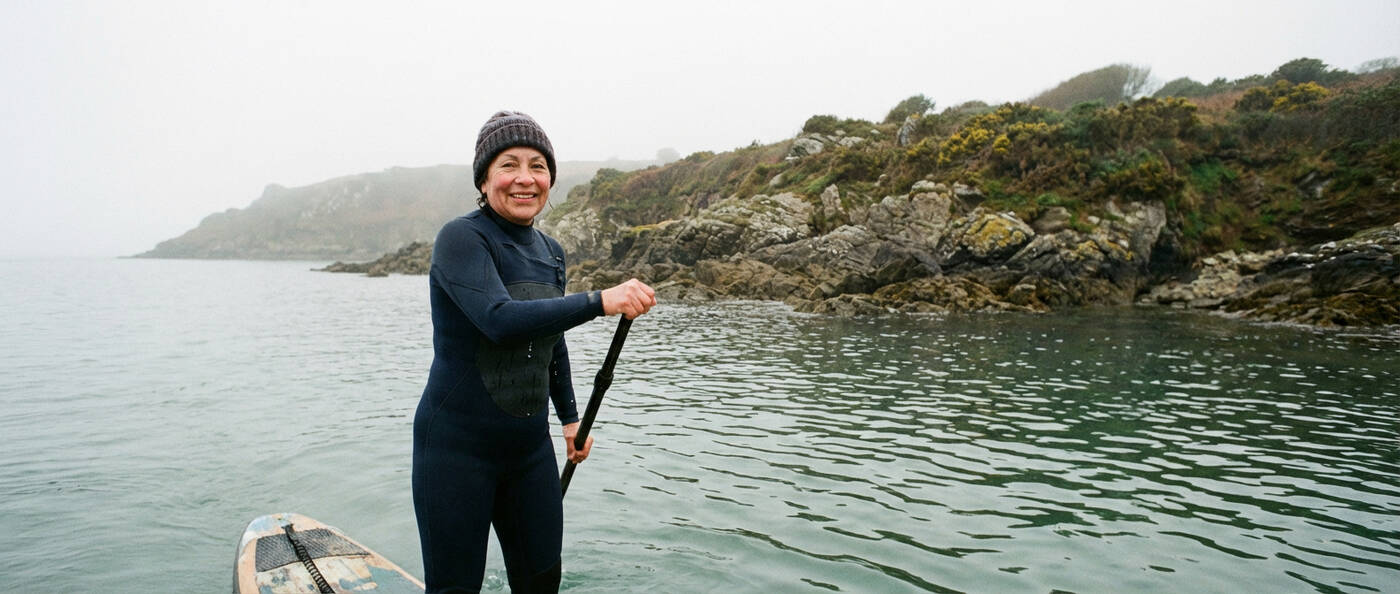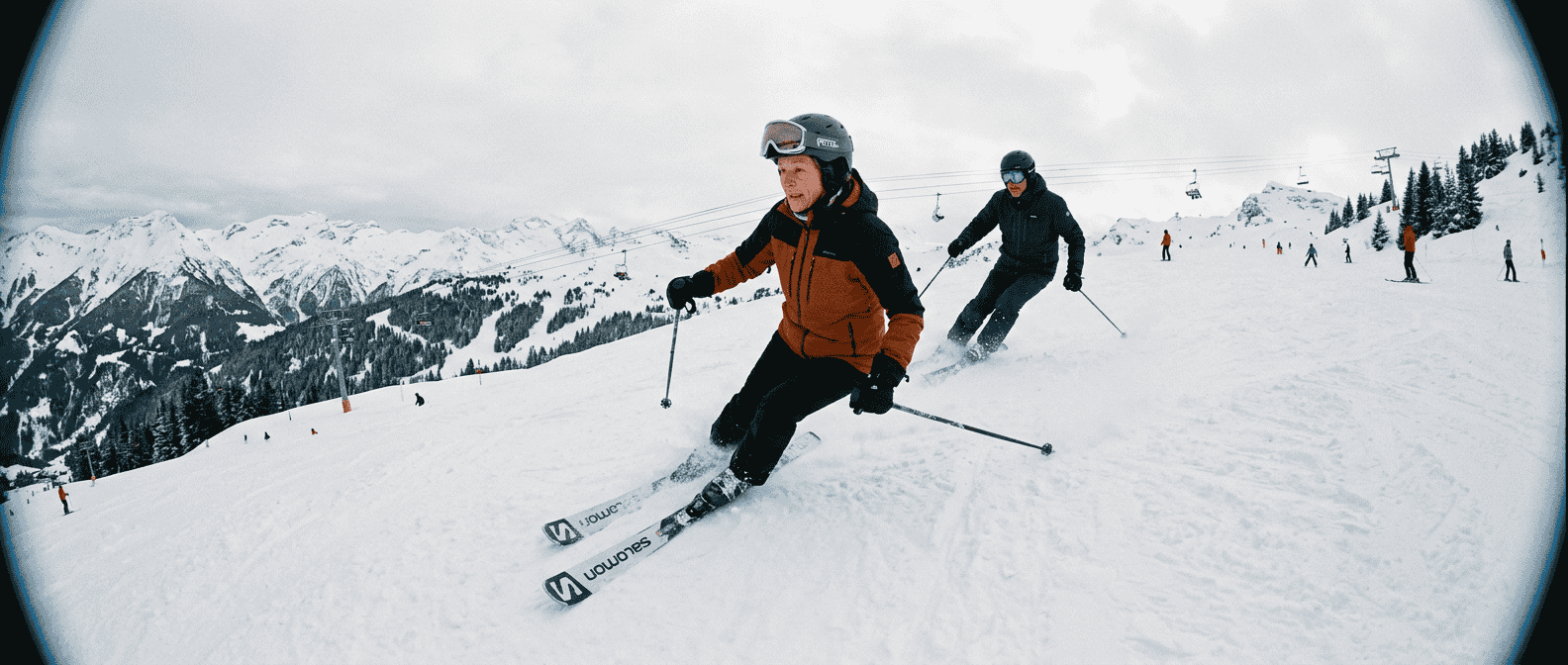
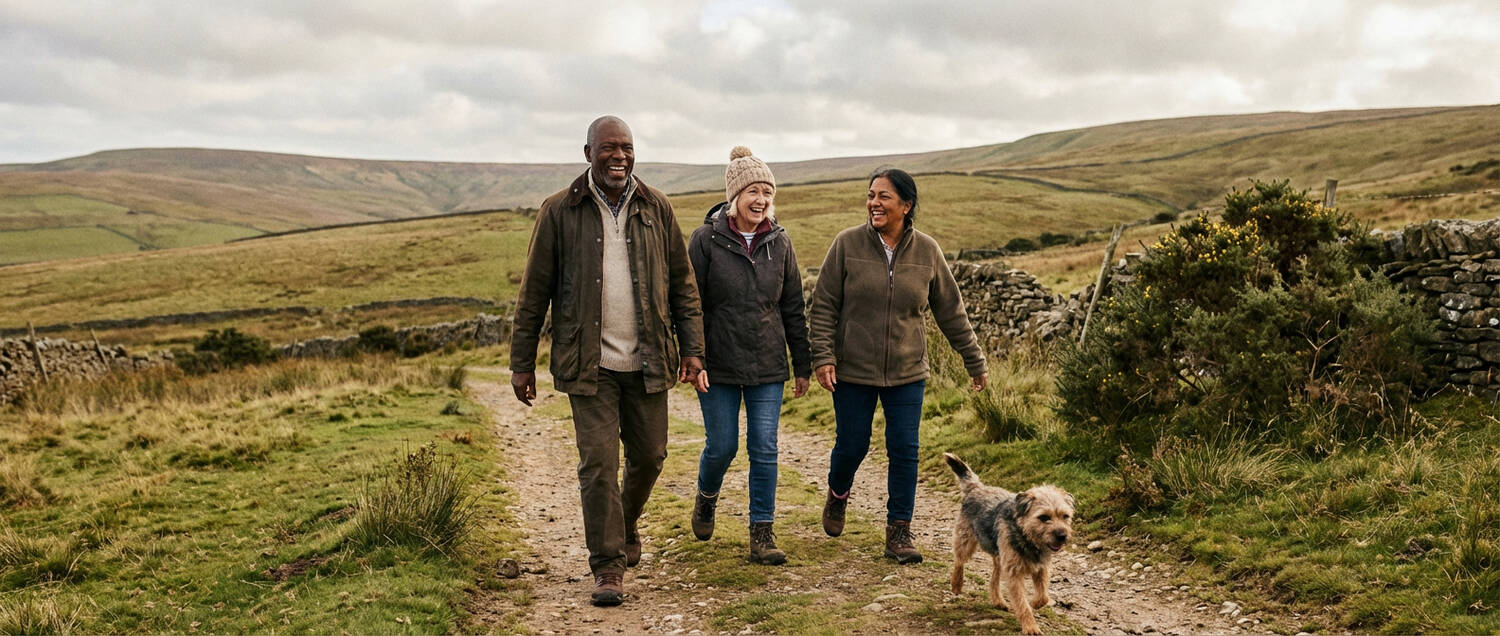

Later life is a wonderful opportunity to travel in a new way, and for many older people, a renewed sense of adventure is restored. If you have no intention of stopping, a meaningful walking holiday could be the perfect holiday. Rather than rushing between attractions and tiring yourself out, these types of trips are all about going at your own pace and taking it all in. Walking holidays for seniors offer so much - from stunning scenery and coastal trails to spending time with others and socialising over dinners.
The great news is that you don’t even have to travel abroad to enjoy this type of break, with many wonderful walking holidays right here in the UK. Across England and the wider country there are countless scenic routes designed for walkers. Historic footpaths, national trails and protected national parks offer beautiful places to explore on foot, many of which are especially beautiful in the spring and summer months. The benefits of walking are also immense, as one of the most accessible forms of physical activity. The NHS recommends regular walking to help maintain health and mobility in later life, with plenty of evidence proving its value.
So, if you’re thinking about planning a holiday, consider this. A well planned walking trip can offer much more than exercise. It’s a wonderful opportunity to spend time in nature, discover new places, and meet people who enjoy the same interests along the way. In this guide, we explore how to choose and prepare for walking holidays for seniors, including tips on destinations, equipment and pacing your trip.
Benefits of Walking Holidays for Seniors
As mentioned briefly, there are many reasons why walking holidays have become popular among older travellers. Walking is a flexible activity that suits many different levels of mobility. A relaxed countryside walk can be just as enjoyable as a more demanding hike through hills or mountains. Spending time outdoors can also greatly benefit mental wellbeing, with research from the UK government highlighting the positive impact that natural environments can have on mood and stress levels. Walking trips are great for social connection and many travellers enjoy joining group walking tours where people explore new landscapes together.
However, if you prefer solo walking, these types of holidays are great for self-guided walking tours too. This entails moving at your own pace while staying in arranged accommodation along the routes. Walking is a fantastic mindfulness activity, providing you time to notice wildlife, architecture and local traditions. There’s no doubt that you’ll find out new things along the way, returning home with appreciation for the landscapes surrounding you.
Is a Walking Holiday Right for You?
A walking holiday can suit a wide range of travellers over 60, however, it’s important to consider your own level of fitness and comfort with regular walking. This will provide you with a good indication of what will work in terms of a holiday. Most walking tours involve several hours of activity each day, which doesn’t necessarily mean strenuous hiking across steep mountains, but you will require stamina. Many people start with gentle countryside trails before moving on to longer walking tours that cover greater distances. In doing so, stamina is gradually built up, providing the best fitness for a walking holiday.
If you already enjoy regular walking at home, you may find a walking holiday a natural extension of your routine. It’s also a good idea to think about the type of walking holiday you’d benefit from most. Would you prefer a guided walking holiday with a knowledgeable local explaining local history or a self-led holiday? The choice is entirely up to you but with some planning ahead of time, you’ll be in the best position for an enjoyable holiday that suits your specific needs and travel style.
Choosing the Right Type of Walking Holiday
Different styles of walking holidays provide different experiences, so choosing the right type of walking holiday is key. In this section, we’ve explained the differences between guided and self-guided trips. Hopefully this information will provide you with a greater sense of what’s right for you!
Guided vs Self Guided Trips
Guided walking holidays are organised around a group and led by a professional guide. There are many benefits to a guided walking holiday, particularly if you don’t know the area well. The guide will handle everything including navigation and routes while sharing local knowledge of interest. This type of structure provides reassurance and is often favoured by older people who want to enjoy their trip rather than deal with logistics. On the other hand, a self guided walking holiday offers greater independence. If you consider yourself a free spirit, this could be the option for you.
You can still follow detailed route notes or GPS guidance for walking. But, you will need to organise accommodation in advance and do all of the planning. One of the best parts of a self guided trip is that you can set your own pace and spend extra time exploring villages or viewpoints.
Group Tours vs Independent Travel
Next, let’s look at travelling with a group or independently. Many travellers enjoy group walking as you’ll benefit from socialising as well as sharing an interest with others. If you’re more extroverted and like to meet new people, this is the right choice for you. You’ll have plenty of time to chat about the holiday and may even make friends for life. For some, travelling independently is far more appealing in terms of flexibility. Couples or friends may prefer the quiet rhythm of exploring together without a larger group.
All Inclusive vs Flexible Itineraries
Some walking holidays for seniors include meals, transport and accommodation in a single package - another factor to think about when planning. All inclusive trips are often favoured since they simplify planning and remove the need to organise details during the holiday itself. Knowing that meals and transportation is already organised can be a huge relief, allowing you to fully relax and enjoy the pace of the holiday. For some older people however, flexibility is preferred. A flexible itinerary will allow you to freely explore restaurants, eat at times that suit you and stay in accommodation that feels more personalised.
Distance and Daily Mileage
Daily walking distances on a walking holiday will always vary depending on the tour, so it’s important to do your research! Easy walking trails may involve five or six miles per day, while more demanding hiking holidays can exceed ten miles. Selecting a suitable distance helps ensure that the experience remains enjoyable rather than exhausting. Again, this will depend on your stamina levels, fitness, and the overall style of walking holiday you’d like.
Understanding Walking Grades
Walking tours are usually classified by difficulty level. Don’t overlook grades when carrying out your research as you could end up in for a surprise.
Easy, Moderate, and Challenging Routes
- Easy routes are relatively flat and follow clear paths.
- Moderate routes may include hills or longer daily distances.
- Challenging routes often involve rugged terrain or mountain trails.
Matching Grades to Your Fitness Levels
Choosing a route that matches your level of fitness helps prevent fatigue. Travellers new to walking holidays should always start with easier routes. Once you have an idea of what a walking holiday entails, the next time you book, you can challenge yourself. The great thing about these types of trips as they can work as a great way to motivate yourself and set new fitness goals along the way.
Elevation vs Distance
The difficulty of a walk depends on more than distance, you should also take elevation into account. For example, a shorter route with steep climbs may feel more demanding than a longer flat walk. This is due to the way the landscape naturally ascends and descends, putting more strain on your leg muscles. Always consider elevation changes when planning your walking routes!
Choosing the Right Destination
Location plays an important role in shaping your walking experience and the overall atmosphere of your holiday destination. In the UK, we are surprisingly lucky to have many walking trails that are especially pleasant in the warmer season. Many seniors also like to plan walking holidays across Europe, especially in Mediterranean climates such as Italy, Spain, and Portugal. Below, we’ve outlined some considerations for choosing a walking holiday location.
Coastal vs Countryside Routes
Coastal walking trails are known for providing panoramic views across cliffs and beaches. They’re well-loved for their fresh air, wildlife, and quaint seaside villages. Whether you decide to stay in the UK or travel overseas, there are plenty of beautiful coastal walking destinations to choose from. Countryside routes focus on passing through farmland, woodland and historic villages. These types of routes are great for spotting wildlife, slowing down, and walking intentionally. Not to mention, there will be plenty of country pubs along the way!
Flat vs Hilly Terrain
Some walking destinations are known for their gentle landscapes, which are ideal if you prefer relaxed, steady walking. Flat terrain allows you to enjoy the scenery without feeling rushed or overly challenged, making it a great choice for many first time walking holidays. Other destinations offer rolling hills or more dramatic landscapes. These routes often reward walkers with wider views across the countryside, particularly when reaching higher ground. For those who enjoy a little more challenge, exploring the mountains of northern England can be especially rewarding. Areas such as the Lake District or the Yorkshire Dales offer beautiful walking trails that pass through valleys, hills and open moorland.
The key is choosing terrain that suits your comfort level. A route that feels manageable will allow you to enjoy the experience far more than one that feels overly demanding.
Climate and Season
Weather conditions can make a big difference to how comfortable your walking holiday feels. Spring and early autumn are often considered ideal times for holidays in the UK. Temperatures tend to be mild, daylight hours are still generous, and popular walking routes are usually quieter than during peak summer months. Summer walking holidays can also be enjoyable, especially along coastal trails where sea breezes keep the air fresh. However, warmer weather may mean starting your walks earlier in the morning to avoid the hottest part of the day.
Wherever you travel, it’s always worth checking seasonal weather patterns before booking. Being prepared for changing conditions helps ensure your walking holiday stays comfortable from start to finish.
Planning and Preparation
A little preparation can go a long way when organising a walking holiday. Taking the time to plan properly helps ensure that the trip feels enjoyable and relaxed rather than rushed or stressful. From assessing your fitness to choosing suitable accommodation, these small steps can make the overall experience far smoother.
Assessing Fitness and Mobility
Before booking a walking holiday, it’s helpful to think about your current level of activity. Ask yourself how far you can comfortably walk at home without feeling overly tired the following day. If you regularly enjoy walks of several miles, you will likely adapt well to the pace of most walking tours. If you’re unsure, try a few longer weekend walks before travelling. This will give you a clearer idea of the distances that feel comfortable for you. Remember that walking holidays are designed to be enjoyed. Choosing routes that match your level of fitness will help ensure the experience remains positive throughout.
Training Before You Travel
Building stamina gradually before your trip can make the walking feel much easier once you arrive. One of the simplest ways to prepare is to increase your weekly walking distance over time. Start with comfortable routes and slowly add extra miles as your confidence grows. Short practice hikes can also help prepare your body for uneven terrain. Walking on countryside paths, hills or woodland trails will give you a better idea of what to expect on your holiday. Many walkers find that even a few weeks of regular walking makes a noticeable difference to their stamina.
Setting Realistic Daily Distances
One of the most important parts of planning a walking holiday is choosing realistic daily distances. It can be tempting to aim for ambitious routes, but steady and manageable days often lead to a far more enjoyable experience. Allow yourself time to stop, take photographs, explore villages or enjoy lunch at a local café along the way. These small moments are often the highlights of walking holidays. By keeping daily distances comfortable, you give yourself space to truly enjoy the journey rather than simply reaching the next destination.
Booking Accommodation
Accommodation plays an important role in the overall experience of a walking holiday. Many organised walking tours arrange comfortable places to stay along the route. These might include small hotels, guesthouses or traditional countryside inns. Staying close to the walking trails means you can start each day easily without long travel times. After a day of walking, returning to a welcoming place to rest can feel incredibly rewarding. Some travellers particularly enjoy accommodation in small villages, where evening walks, local pubs and quiet surroundings help create a relaxing atmosphere.
What to Expect from a Walking Holiday
Walking holidays tend to follow a relaxed and steady routine. While every trip is slightly different, most walking tours share a similar daily rhythm. This structure allows travellers to enjoy their surroundings while maintaining a comfortable pace throughout the journey.
Daily Structure
A typical walking day begins with breakfast at your accommodation before setting out on the day’s planned route. As you walk, you may pass through villages, countryside trails or coastal paths, depending on the destination. Many walkers pause during the morning to enjoy the scenery or take photographs. Lunch is often taken in a village café, a country pub or at a scenic viewpoint along the trail. By mid to late afternoon, most walkers arrive at their next accommodation. This leaves plenty of time to relax, explore the local area or enjoy a good meal before the following day’s walk.
Terrain and Surfaces
Walking routes can vary significantly depending on where you travel. Some trails follow gravel paths, country lanes or well maintained park routes. These surfaces are generally comfortable and easy to walk on. Other walking trails may cross grassy fields, woodland tracks or uneven countryside paths. These surfaces can feel more natural but may require a little extra attention when walking. Good footwear and a steady pace usually make these different surfaces easy to manage.
Essential Gear
Having the right equipment can make a noticeable difference to your comfort during a walking holiday. You do not need specialised gear for most walking tours, but a few well chosen items can help make each day more enjoyable.
Walking Boots and Socks
A reliable pair of walking boots is one of the most important pieces of equipment you can bring. Supportive footwear helps protect your feet and ankles, particularly when walking on uneven ground. Boots that fit well can also reduce the risk of blisters during longer walks. Comfortable socks are equally important. Many walkers choose moisture wicking socks that help keep feet dry throughout the day.
Clothing
Layered clothing works well for walking holidays because weather conditions can change throughout the day. A light base layer, warm mid layer and waterproof outer jacket allow you to adapt easily to different temperatures. Breathable fabrics are especially useful during longer hikes, helping keep you comfortable as you move.
Daypack Essentials
A small backpack is useful for carrying the essentials you may need during the day. Many walkers pack water, snacks, sunscreen and a lightweight waterproof jacket. A hat and sunglasses can also be helpful on sunny days. Some travellers also bring maps, guidebooks or digital navigation tools when following self guided routes.
Trekking Poles
Trekking poles can be helpful on certain types of terrain. They provide additional balance when walking on uneven trails and can reduce pressure on the knees during downhill sections. While not essential for every route, many walkers find poles particularly useful when walking in hillier areas.
Health and Safety
Maintaining good health habits while travelling helps ensure a safe and enjoyable walking holiday. These simple precautions can make a significant difference during longer trips.
Check with a Clinician if Needed
If you have any existing health conditions, it may be helpful to speak with a clinician before travelling. They can provide guidance on activity levels, medication or any precautions you may need to consider during your trip.
Travel Insurance
Travel insurance is an important part of any holiday. It provides protection in case of unexpected disruptions, medical needs or travel delays. Checking your policy carefully before travelling helps ensure you’re properly covered.
Hydration and Nutrition
Staying hydrated during long walks is essential. Carrying enough water helps maintain energy levels and prevents dehydration. Many walkers also bring small snacks such as fruit, nuts or energy bars to enjoy during rest breaks. Regular food and water stops help keep your energy steady throughout the day.
Managing Medication While Travelling
If you take regular medication, it’s important to keep it easily accessible. Many travellers carry essential medication in their daypack rather than packing it in luggage. It can also be helpful to carry copies of prescriptions, particularly when travelling abroad.
Walking in Heat or Cold
Weather conditions can change quickly during walking holidays. In warm weather, sun protection such as hats, sunscreen and lightweight clothing can help prevent overheating. During colder conditions, layered clothing and waterproof jackets help maintain comfort while walking. Being prepared for changing weather allows you to enjoy the walk without unnecessary discomfort.
Building Stamina for a Walking Holiday
Preparation before travelling can make a noticeable difference to how comfortable your walking holiday feels. Even if you already enjoy regular walks, building stamina gradually can help you manage several consecutive days of activity.
Increasing Weekly Walking Distance
A helpful way to prepare is to increase your weekly walking distance over time. Start with routes that feel comfortable and slowly add extra distance each week. For example, if you currently walk three miles, gradually build towards five or six miles. Consistency is more important than speed. Walking several times each week allows your body to adapt to longer distances and helps strengthen the muscles used during extended walks or hikes.
Adding Hills Gradually
Many scenic walking routes include gentle hills or uneven terrain. Practising on slopes during your training walks helps prepare your legs for these changes in elevation. You do not need to start with steep climbs. Even moderate inclines in local parks or countryside paths can help build strength and confidence before your holiday.
Strength and Balance Training
Strength and balance exercises can also support walking stamina. Simple activities such as light strength training, yoga or tai chi may improve stability and coordination. Better balance can make walking on uneven surfaces feel more comfortable, particularly when following countryside trails or rocky paths in national parks.
Tips
Small adjustments during your trip can make a walking holiday much more enjoyable. These simple habits help many travellers maintain energy and comfort throughout the journey.
Pacing Yourself
One of the most important tips for any walking holiday is to maintain a steady pace. Walking too quickly early in the day can lead to fatigue later on. A comfortable rhythm allows you to enjoy the scenery, take photographs and appreciate the surroundings. Many experienced walkers follow a pace that allows easy conversation while walking.
Taking Effective Breaks
Regular breaks help prevent tiredness and allow your muscles to recover. Rather than waiting until you feel exhausted, plan short pauses every hour or so. These breaks can be a good opportunity to drink water, enjoy a snack or simply admire the landscape. Scenic viewpoints or quiet village benches often provide ideal resting spots during walking tours.
Preventing Blisters
Blisters are one of the most common challenges during longer walking holidays. Wearing well fitted boots and moisture wicking socks can significantly reduce the risk. It’s also helpful to break in new footwear before travelling. Walking in your boots several times at home allows them to soften and adapt to your feet. Some travellers carry blister plasters or protective tape in their daypack in case minor irritation develops during the walk.
Knowing When to Shorten a Day
Not every day needs to be completed exactly as planned. Weather, tiredness or unexpected delays can sometimes make a route feel more demanding. Listening to your body and adjusting your plans is often the best approach. Many walking routes pass through towns or transport links that allow you to shorten a stage if necessary. Adapting your schedule occasionally can help ensure the overall holiday remains enjoyable.
Overcoming Common Challenges
Even experienced walkers occasionally encounter challenges during longer trips. Understanding how to manage these situations can help you stay confident and comfortable throughout the holiday.
Knee Discomfort
Knee discomfort is sometimes experienced when walking downhill for extended periods. Descending slopes places additional pressure on the knee joints. Using trekking poles can help distribute weight more evenly and provide extra support. Taking shorter steps on steep sections may also reduce strain. If discomfort appears, slowing your pace or taking a short break can often help prevent the problem from worsening.
Fatigue and Recovery
Walking several days in a row can lead to general fatigue, especially if you’re not used to extended hiking distances. Good recovery habits can make a significant difference. Eating balanced meals, drinking plenty of water and getting adequate rest each evening all support muscle recovery. Some walkers also find gentle stretching helpful at the end of the day. This can reduce stiffness before the following morning’s walk.
Fear of Slips or Falls
Uneven terrain can feel intimidating for some walkers, particularly on rocky paths or muddy countryside trails. Choosing well maintained routes and wearing supportive walking boots can greatly improve stability. Trekking poles can also provide extra balance when crossing rough ground. Taking your time and focusing on each step can help build confidence when walking on unfamiliar surfaces.
Returning After a Rest Day
Rest days are a common feature of longer walking holidays. They allow travellers to explore local villages, visit attractions or simply relax. Some people worry that a day without walking may make it harder to restart. In reality, many travellers feel refreshed and ready to continue after a break. Beginning the next walking day at a gentle pace usually allows the body to ease back into the rhythm of the journey.
FAQs
How Many Miles a Day Is Suitable for Seniors?
Many walking holidays for seniors involve five to eight miles per day. However, suitable distances vary depending on experience and fitness.
Are Guided Walking Holidays Safer?
Guided walking holidays can offer additional reassurance because a professional guide manages navigation.
Do You Need to Be Very Fit?
Most walking tours are designed for a range of abilities. Many routes focus on moderate distances.
What If You Can’t Complete a Stage?
Some tours provide transport options if a stage becomes difficult. Flexible itineraries may also allow shorter routes.
More Information and Research
NHS Physical Activity Guidelines
https://www.nhs.uk/live-well/exercise/physical-activity-guidelines-older-adults/
UK Government research on nature and health
https://www.gov.uk/government/publications/health-and-the-natural-environment
National Parks UK information
https://www.nationalparks.uk/
These resources provide reliable guidance on the health benefits of regular walking and spending time in natural environments.
References
NHS Physical Activity Guidelines for Older Adults
UK Government Health and the Natural Environment report
National Parks UK visitor information
Alzheimer’s Society wellbeing and activity research