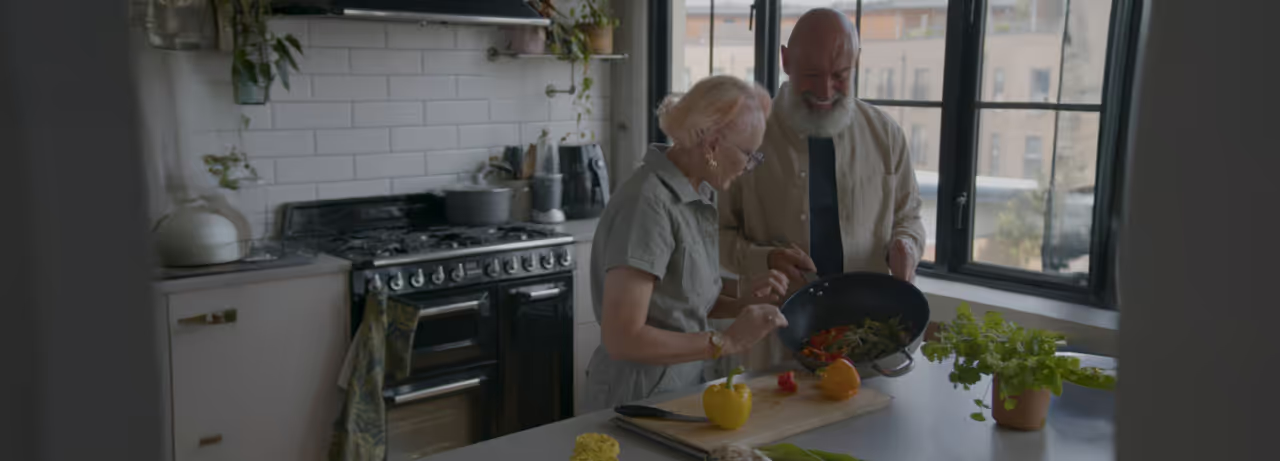

Reinventing yourself after 60 is about choosing possibility over limitation.
At Lateral, we work with people who see this stage of life not as a winding down, but as a chance to redefine what comes next. A time to explore new interests, new goals, and new ways of living well.
Whether it’s a second career, more meaningful use of time, or a renewed focus on health, purpose, and freedom, life after 60 can be one of the most rewarding chapters yet.
In this guide, we share practical insights to help you reinvent yourself after 60 so you can move forward feeling empowered and excited about what’s next.
Key Takeaways:
- Reinventing yourself at 60 is about creating a new chapter that fits who you are now, not who you used to be.
- Small changes to how you use your time can lead to a more fulfilling and balanced life.
- Staying connected to friends and community supports wellbeing, confidence and a sense of purpose.
- Lifelong learning keeps your mind active and opens up new opportunities for the future.
- Prioritising health, energy and enjoyment helps you move forward feeling positive and in control.
Assess Your Life
Reaching 60 is a fortunate milestone, a time in your life where you can look back on all that you’ve achieved and your memories so far.
But, what if we told you it’s also the perfect time to reinvent yourself? That’s right, life at 60 is only just beginning.
There are many ways you can reinvent yourself at 60, and some of which don’t have to involve a huge change. Oftentimes, it’s more to do with reflection and assessing your life so far to identify what you can do in the future.
Reflect on Achievements and Priorities
A good place to start is with your achievements. Ask yourself:
- What’s my biggest life achievement so far?
- Which achievement was the most difficult?
- Which achievement am I most proud of?
- Have I achieved all I hoped for?
- Are there things that I’m yet to achieve?
Next, you should think about your current priorities and what you’d like you to prioritise in the future. This is a great exercise that helps you to dig deep and really set the foundation for ‘reinventing yourself’.
- What matters most to you?
- List your top 3 current priorities
- List your top 3 future priorities
- What does ‘priority’ mean to you?
Once you’ve asked these questions and thought about your answers, you can move onto the next phase: identifying what you’d like to change about your lifestyle.
Identify Areas for Change
It can seem overwhelming to identify what needs to change in your life, but remember, it’s all for the greater good.
Once you align yourself with your core values, priorities and future goals, you’ll feel far more content on a day to day basis. It’s all about positive transformation.
As so many of us place a great deal of focus on our jobs, after retirement, it’s normal to feel lost and uncertain of the future.
For this reason, knowing what needs to change and how you may be affected is a good place to be.
Ask yourself these questions to help to identify areas for change:
- Does my lifestyle currently make me happy?
- What areas of my life are dragging me down?
- If I could wish for 3 things, what would they be?
- What does a fulfilling lifestyle look like to me?
- What parts of myself would I like to improve on?
- What parts of myself do I already love?
Remember, the questions above are designed to help steer you in the right direction.
But, it’s important to remember what you love about yourself and your lifestyle already.
Rediscover Your Passions
Often, passions are set aside rather than lost. Life has a habit of getting busy. Careers take priority. Family needs come first. Time feels limited. Energy goes elsewhere.
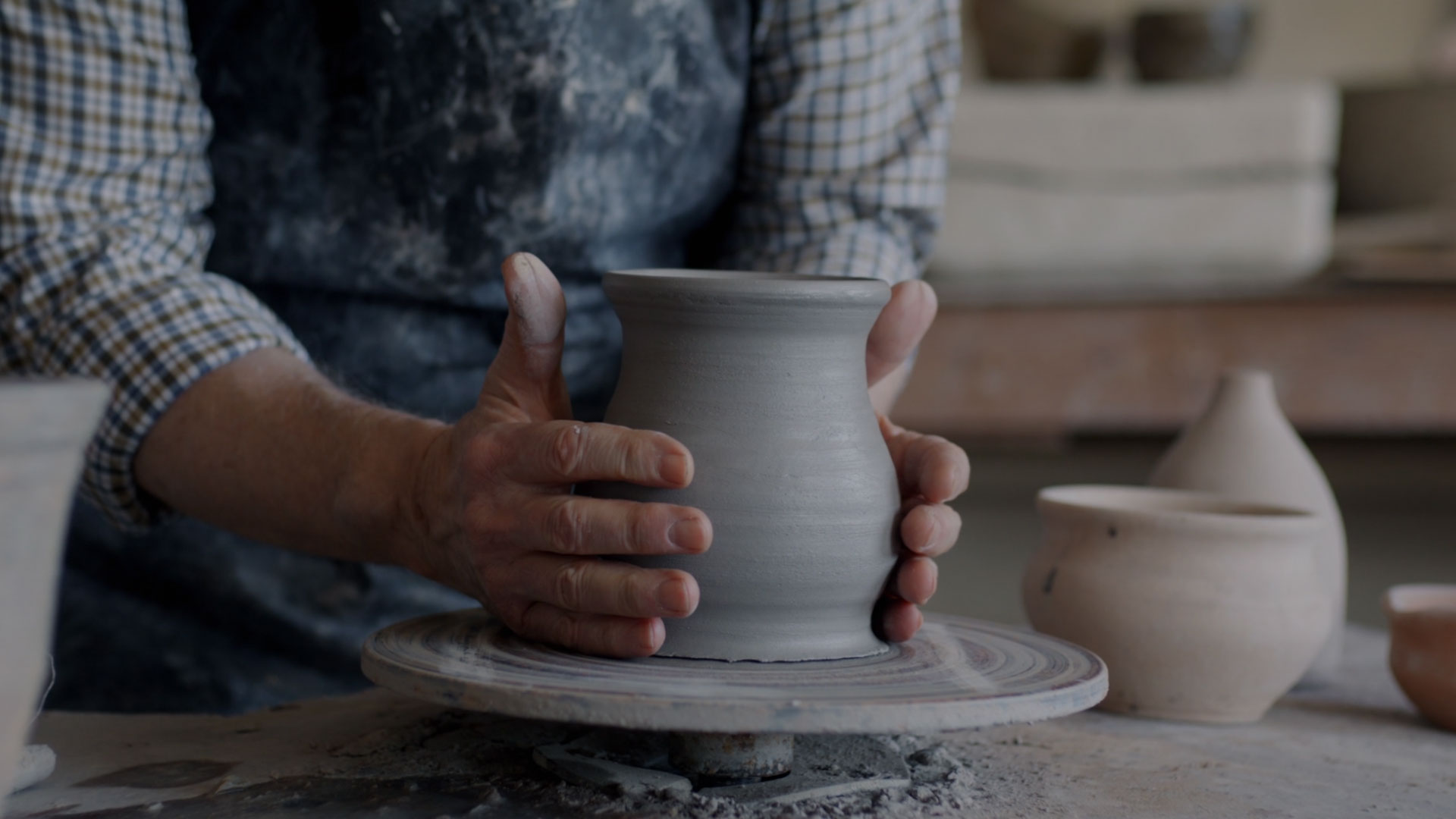
Reinventing yourself at 60 gives you the chance to reconnect with the things that once brought you joy, or to discover new passions that fit who you are now.
Think about what once made you feel energised. It might be something creative, active, social, or intellectual. Or it might be something entirely new that you never had the chance to explore before.
Ask yourself:
- What did I enjoy before life became so busy?
- What have I always been curious about?
- What would I like to spend more time doing now?
Rediscovering your passions does not need to be overwhelming. It can start small. A short class. A local workshop. An online course. A hobby you try at home.
This stage of life is about enjoyment, not pressure. There is no expectation to be perfect or productive. The goal is simply to reconnect with your sense of energy, curiosity and inspiration.
Set Clear Goals
Once you have reflected on your life and rediscovered what excites you, the next step is setting clear goals. Goals give your time structure and purpose. They help turn ideas into action.
At this stage, goals should feel supportive, not demanding. They are there to guide you, not restrict you.
Short-Term Goals
Short-term goals help you build momentum. They are achievable steps you can take over weeks or months.
Examples might include:
- Joining a local group or class
- Improving fitness or mobility
- Learning a new skill
- Creating a weekly routine that feels fulfilling
Short-term goals keep you focused and motivated. They also build confidence. Each small success reminds you that reinventing yourself is possible at any age.
Long-Term Vision
Alongside short-term goals, it helps to think about your longer-term future. This does not need to be a rigid plan. It is simply about direction.
Ask yourself:
- What do I want my life to look like in five or ten years?
- How do I want to feel day to day?
- What kind of balance do I want between rest, activity and connection?
Having a long-term vision makes decision-making easier. It helps you choose how to spend your time, who to spend it with, and where to focus your energy.
Commit to Lifelong Learning
Learning does not stop at retirement. In fact, it often becomes more enjoyable. You learn because you want to, not because you have to.
Committing to lifelong learning keeps your mind active and engaged. It supports confidence, independence and mental wellbeing.
Learning can take many forms:
- Attending local talks or classes
- Taking online courses
- Reading widely
- Learning practical skill
- Exploring new technology at your own pace
Learning also opens doors. It introduces you to new people, new ideas, and new possibilities for your future.
Prioritise Health and Wellbeing
Good health underpins everything. Without it, reinvention becomes harder. With it, opportunities feel more accessible.
At 60 and beyond, prioritising health is not about chasing perfection. It is about maintaining strength, mobility, and wellbeing so you can enjoy this next chapter of your life.
Focus on the basics:
- Regular movement that feels enjoyable
- Nutritious, balanced meals
- Good sleep routines
- Managing stress
- Regular health check-ups
Small, consistent habits matter more than dramatic changes. Walking regularly. Gentle strength training. Stretching. Staying hydrated. These choices protect your independence and quality of life.
Build a Support Network
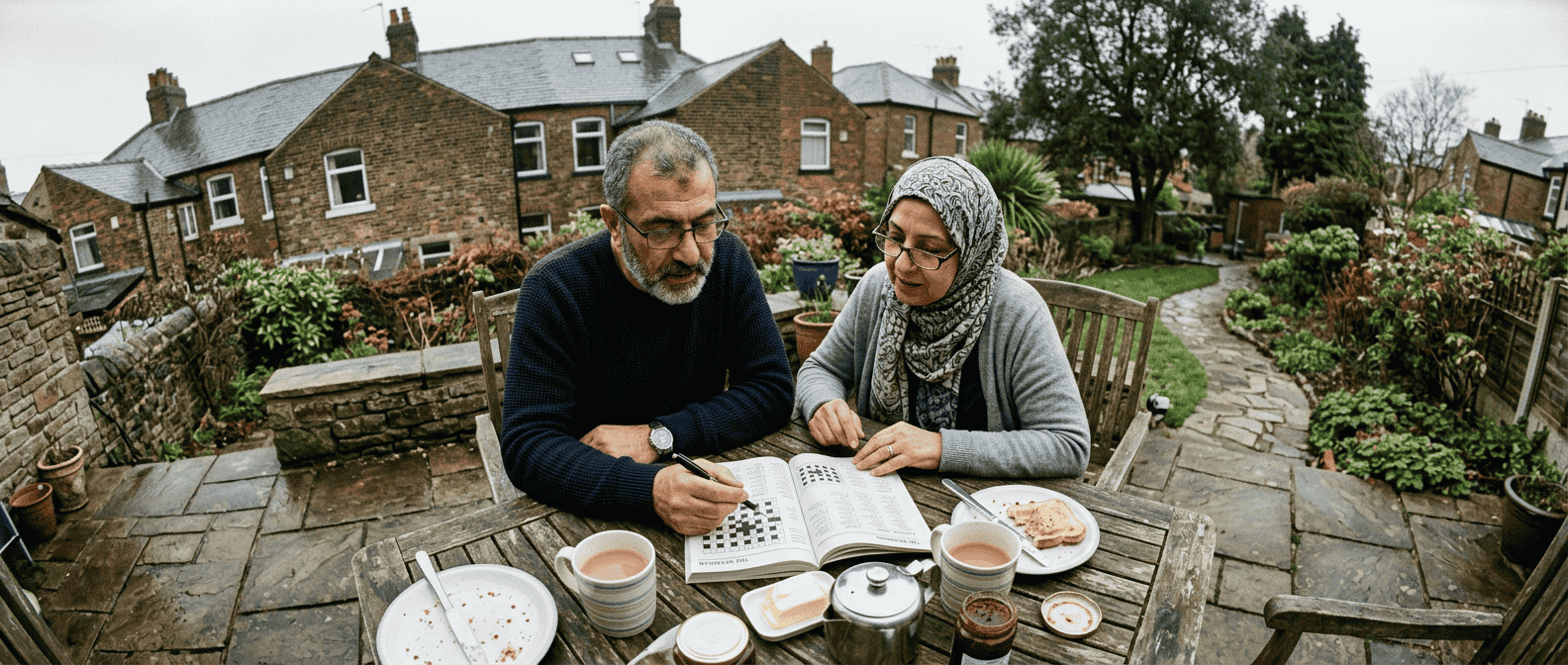
Reinvention is easier when you are not doing it alone. A strong support network provides encouragement, accountability and connection.
This is especially important after retirement, when daily social contact can reduce.
Your support network might include:
- Friends
- Family
- Neighbours
- Community group
- Interest-based clubs
Connection supports emotional wellbeing and keeps you engaged with the world around you. It also makes trying new things feel less daunting.
Strengthen Key Relationships
As priorities shift, relationships often do too. Reinventing yourself is a good opportunity to strengthen the relationships that matter most.
Make time for meaningful conversations. Share your hopes and plans. Ask for support when you need it. Offer support in return.
Strong relationships provide stability and reassurance as you navigate change. They remind you that you are valued and supported.
Join Interest Groups or Communities
Joining groups based on shared interests is a powerful way to build community and make new friends.
This could include:
- Walking groups
- Book clubs
- Creative workshops
- Volunteering groups
- Learning circles
Being part of a community brings structure, belonging and enjoyment. It also helps maintain motivation and commitment as you explore new interests.
Explore New Career or Purpose Opportunities
For some people, reinvention after 60 includes exploring new work or purposeful activity. This might be paid or voluntary.
Many people find satisfaction in:
- Part-time work
- Consulting or mentoring
- Starting a small business
- Volunteering
- Community leadership roles
Purpose does not have to come from a traditional career. It comes from feeling useful, engaged and valued.
Develop New Skills
Developing new skills supports confidence and independence. It also keeps your mind active and adaptable.
Skills might relate to:
- Technology
- Creative pursuits
- Communication
- Health and fitness
- Personal interests
Learning something new reinforces the idea that growth is lifelong. It builds self-belief and keeps your options open as your life evolves.
Engage in Creative or Meaningful Projects
Creative and meaningful projects give structure to your days and a sense of accomplishment.
This might include writing, gardening, crafting, music, or community projects.
Meaningful projects provide focus and satisfaction. They also help express identity and purpose during times of change.
Give Back Through Volunteering or Mentorship
Giving back creates connection and fulfilment. Many people find that sharing their skills and experience is deeply rewarding.
Volunteering or mentoring supports confidence, purpose and community engagement. It also helps others benefit from your knowledge and insight.
Adopt a Positive, Growth-Oriented Mindset
Mindset plays a key role in reinventing yourself. A growth-oriented mindset encourages curiosity and resilience.
Instead of focusing on limitations, focus on possibilities. Change can feel uncomfortable, but it is also where growth happens.
Embrace Technology Where It Adds Value
Technology can support learning, connection and independence when used thoughtfully.
It can help you stay in touch with friends, access information, learn new skills, and manage daily life more easily.
Take it at your own pace. Ask for help when needed. Focus on tools that genuinely improve your quality of life.
Seek New Experiences and Adventures
New experiences bring freshness and excitement to life. They do not need to be extreme or expensive.
Trying new places, activities or routines keeps life interesting and supports emotional wellbeing.
Celebrate Your Progress and Wins
Reinvention is a process. Celebrate small wins along the way.
Acknowledge your courage. Notice how far you have come. Reflect on what you are learning about yourself.
Celebration builds motivation and confidence as you continue shaping your future.
More Information and Research:
Centre for Ageing Better
UK-based research on ageing well, community connection, health, work and wellbeing in later life.
https://ageing-better.org.uk
Age UK
Advice and information on health, wellbeing, community, pensions, benefits, housing, and later-life planning.
https://www.ageuk.org.uk
Independent Age
Clear, in-depth guides on retirement income, care costs, health, housing and financial support for people over 60.
https://www.independentage.org
Sport England
Research and guidance on staying active in later life, with a focus on physical activity, confidence and wellbeing.
https://www.sportengland.org/research-and-data
NHS – Healthy Ageing
Health advice for staying active, independent and well in later life, including physical and mental wellbeing.https://www.nhs.uk/live-well/healthy-ageing