
At Lateral, we believe later life is a time to try new things, including hobbies. For over 60s, hobbies can help to bring about structure, enjoyment and a renewed sense of purpose to your lifestyle.
Whether you’re newly retired or have an itch to try something different, hobbies are beneficial in so many ways.
From mental health benefits to reducing loneliness, hobbies are a great way to help you stay active and engaged.
This guide shares 75 popular hobbies for seniors to try, each with a short description and a link to learn more, so you can explore at your own pace and find what feels right for you.
Gardening.
There’s no better way to spend time than in the fresh air. People of all ages can get outdoors to enjoy gardening, including you.
Gardening is a delightful hobby that offers much more than just planting and growing seeds.
If you’re not sure where to start when it comes to gardening, there’s plenty of useful information out there. You can find out more by visiting the RHS website.
Allotment Growing.
Another great hobby to get you out of the house is tending to an allotment.
Whether you decide to share an allotment with someone else or find your own, it’s a great way to focus on growing fresh produce.
You’ll get to learn all about growing different types of fruits, vegetables and herbs with an allotment and reap the benefits of the seeds you sow.
You can find out more information about allotment growing via the RHS website.
Trail Running.
If you fancy something more active, why not try trail running?
It’s a gentle step up from walking and a fantastic hobby if you enjoy being outdoors.
This type of running is usually done on paths, woodland trails or countryside tracks rather than roads. Beginners should start out slow and choose routes that feel comfortable. Remember to always consult your GP before beginning a new physical activity.
If you’re curious about getting started, there’s a helpful beginner guide to trail running available from Ordnance Survey.
Walking.
Walking is one of the easiest and most accessible hobbies for elderly people. It needs very little equipment and can fit easily into everyday life.
Some people enjoy short daily walks around their local area, while others prefer longer countryside routes with friends or family. Add walking into your daily routine your mood and physical health.
If you would like ideas on routes and how to build confidence, you can read a beginner’s guide to walking from Ordnance Survey.
Hiking.
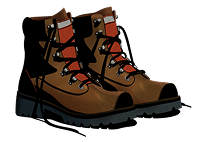
Hiking is a great option if you’re a fan of walking and want to explore further afield.
Though it can often involve longer distances, you can still take things at your own pace.
Many people enjoy hiking for the sense of achievement and the chance to see new landscapes. It’s a great social activity, too!
If you’re new to hiking, this beginner guide from Ordnance Survey explains how to get started safely and comfortably.
Birdwatching.
Birdwatching is a calm and rewarding hobby that helps you slow down and notice the world around you. You can enjoy it from your garden, a local park or further out in nature.
It encourages patience and observation, and many people find it relaxing and good for mental wellbeing.
If you would like to learn more about birdwatching basics, Hobby Help has a useful introduction for beginners.
Nature Photography.
Nature photography combines time outdoors with creativity which is appealing to many people.
It can be as simple as taking photos on your phone during a walk or as involved as learning camera settings, the choice is yours.
This hobby encourages you to slow down and really look at plants, animals and landscapes.
If you want to learn the basics, there’s a beginner photography guide available at Learn Photography UK.
Reading.
Reading is a quiet hobby that fits easily into daily life. It offers a chance to relax, learn something new or escape into a different world.
Some people enjoy novels, while others prefer biographies, history or practical books. Reading regularly can support memory, focus and overall wellbeing, so it’s definitely worth considering.
If you’re interested in making reading more social, you might enjoy starting or joining a book club. Read It Forward explains how to do this.
Book Clubs.
If you’re starting to read or already a reader, why not join a local book club?
Book clubs combine reading with social connection. They offer a reason to read regularly and a chance to share thoughts with others.
Many book clubs meet locally, while others meet online. Some focus on specific genres, while others keep things varied and informal.
If you’re thinking of joining or starting a book club, Read It Forward has practical advice to help you get started.
Creative Writing.
Creative writing is a wonderful hobby that allows you to explore ideas, memories and imagination through words. You don’t need previous experience to enjoy it either which is a bonus!
You might write short stories, poems, memoirs or personal reflections. Many people find writing helps them to process thoughts and stay mentally active.
If you’re unsure where to begin, Writers Hub offers guidance on starting creative writing.
Journalling.
Journaling may sound strange but it’s a lovely, personal and flexible hobby. It can be used to reflect on your day, track thoughts or simply write freely.
Some people journal every morning, others write when they feel the need to. There are no rules, which makes it easy to fit into your routine.
If you want ideas on how to start and keep journalling, Lifehack has a practical guide.
Painting.
Painting is a creative hobby that encourages experimentation rather than perfection. You can work with watercolours, acrylics or oils depending on preference.
Many people enjoy painting because it helps them focus and relax. It can be done at home or in a local class with others.
If you’re new to painting, Artists Network provides beginner guidance and tips.
Drawing.
Drawing is a simple way to be creative using minimal equipment. A pencil and paper are enough to get started.
You can draw from observation, imagination or photographs. Many people enjoy drawing as a quiet and absorbing activity.
If you want structured guidance, Drawspace offers lessons for beginners.
Photography.
Photography is a hobby that suits all experience levels. You can start with a smartphone or explore more advanced cameras over time.
It encourages you to notice details and moments you might otherwise miss. Many people enjoy documenting family life, travel or everyday scenes.
If you would like to improve your skills, Photography Life offers beginner photography tips.
Woodworking.
Woodworking is a hands on hobby that allows you to create practical items. Projects can range from simple shelves to small furniture pieces.
It offers a sense of achievement and keeps both mind and hands busy. Safety and patience are important, especially when starting out.
If you’re interested in learning the basics, Popular Woodworking has a beginner guide.
Furniture Restoration.
Furniture restoration focuses on repairing and refreshing old pieces. It can be very satisfying to bring something back to life.
This hobby teaches practical skills and encourages sustainable reuse. You can start with small projects and build confidence.
If you want to learn the basics, Hunker provides a clear guide to restoring old furniture.
Pottery.
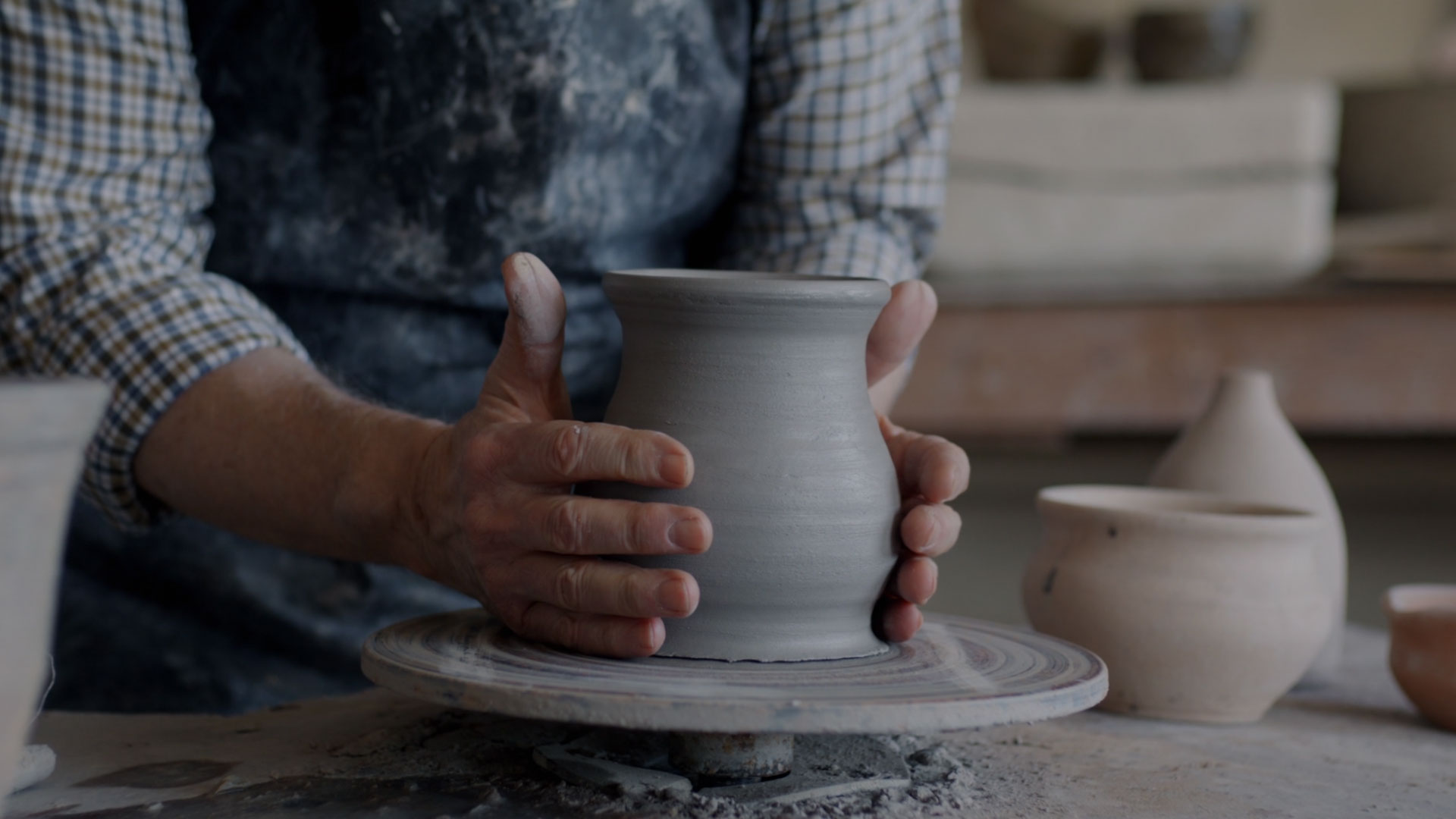
Pottery is a tactile and creative hobby that involves shaping clay by hand or on a wheel. Many people find it calming and grounding.
Classes are often available locally, making it a social activity as well. You can create both decorative and practical items.
If you’re curious about starting pottery, Craftsy explains how to get started.
Calligraphy.
Calligraphy focuses on decorative handwriting and lettering. It’s a slow, mindful hobby that improves focus and patience.
You can practise with basic pens before moving on to more specialised tools. Many people enjoy using calligraphy for cards and personal projects.
If you would like to learn the basics, The Postman’s Knock offers a beginner's guide.
Jigsaw Puzzles.
Jigsaw puzzles are a relaxed way to keep the mind active. They can be enjoyed alone or with others if you’d like to socialise.
Puzzles help with concentration and problem-solving, and many people enjoy returning to them in the evenings or on quiet afternoons.
If you want tips on tackling puzzles, Jigsaw Puzzles Games explains helpful strategies.
Crosswords.
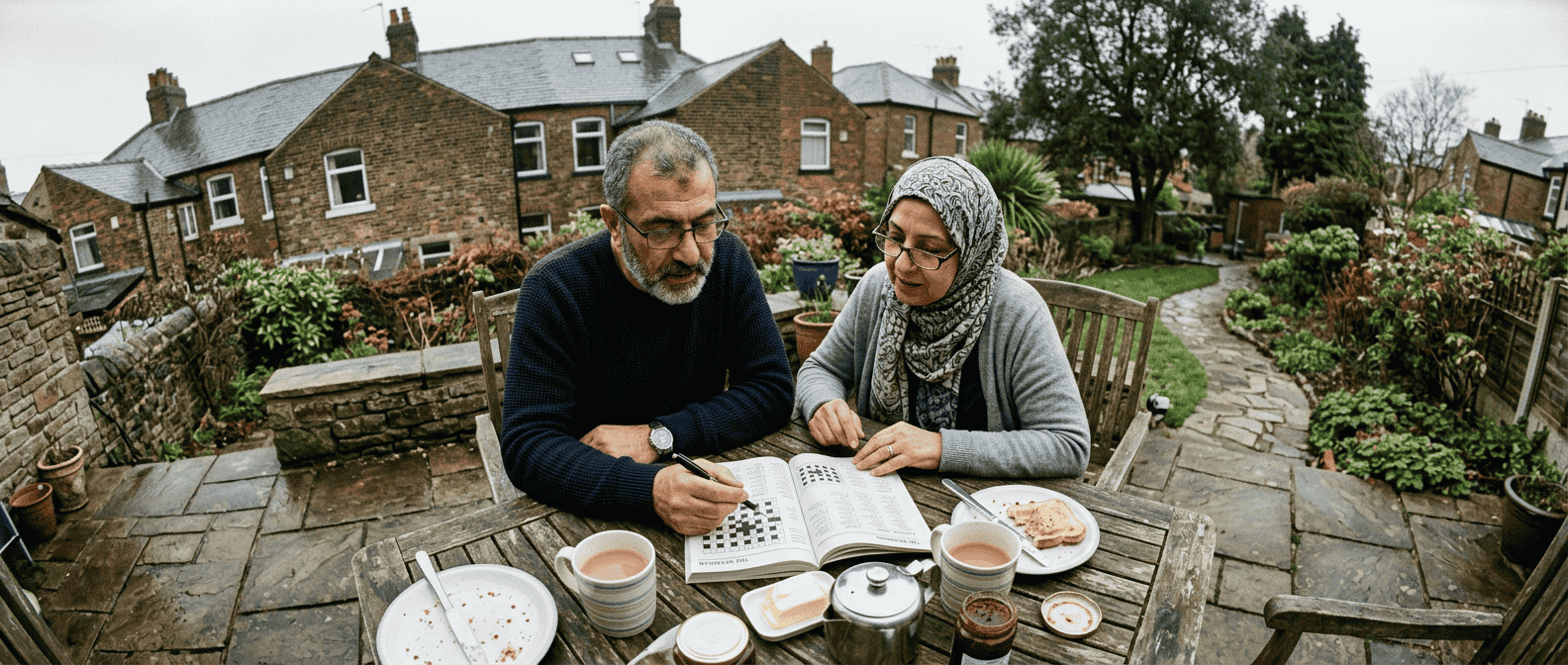
Crosswords are a popular way to keep the brain active and engaged. They can improve vocabulary and general knowledge.
Many newspapers and apps offer crosswords at different difficulty levels. You can start simple and build confidence along the way!
If you’re new to crosswords, The New York Times has a guide on how to approach them.
Sudoku.
Sudoku is a number puzzle originating in Japan. It focuses on logic rather than maths and can easily be enjoyed at your own pace.
This hobby helps with concentration and problem-solving, making it great for older adults. Many people enjoy it as part of a daily routine alongside a warm cup of coffee in the morning.
If you’re new to Sudoku, Sudoku.com explains how to play.
Chess.
Chess is a strategic board game enjoyed by people of all ages. It challenges memory, planning and focus, keeping you sharp and improving cognitive health.
You can play casually with friends or online at your own level and there are plenty of new strategies to learn over time.
If you want to learn the rules and basics, Chess.com offers clear guidance.
Bridge.
Bridge is a traditional card game that encourages teamwork and communication. It’s one that’s often played socially in clubs, making it great for getting out of the house.
Learning bridge can take time, but many people enjoy the mental challenge!
If you want to understand the basics, Bridge Base provides a helpful introduction
Board Games.
Board games offer a fun and social way to spend time with others. There’s many options beyond traditional games, so this is an excellent hobby to get into.
Some games focus on strategy, while others are light and quick to play. Board games are often enjoyed with family or friends.
If you want to explore options, BoardGameGeek has a beginner primer.
Card Games.
Card games are easy to learn and flexible. They can be played one to one or in groups.
Many people enjoy classic games such as rummy or whist. Card games encourage social interaction and mental engagement, and are plenty of fun!
If you want to explore different card games, Pagat offers a comprehensive guide.
Cooking.
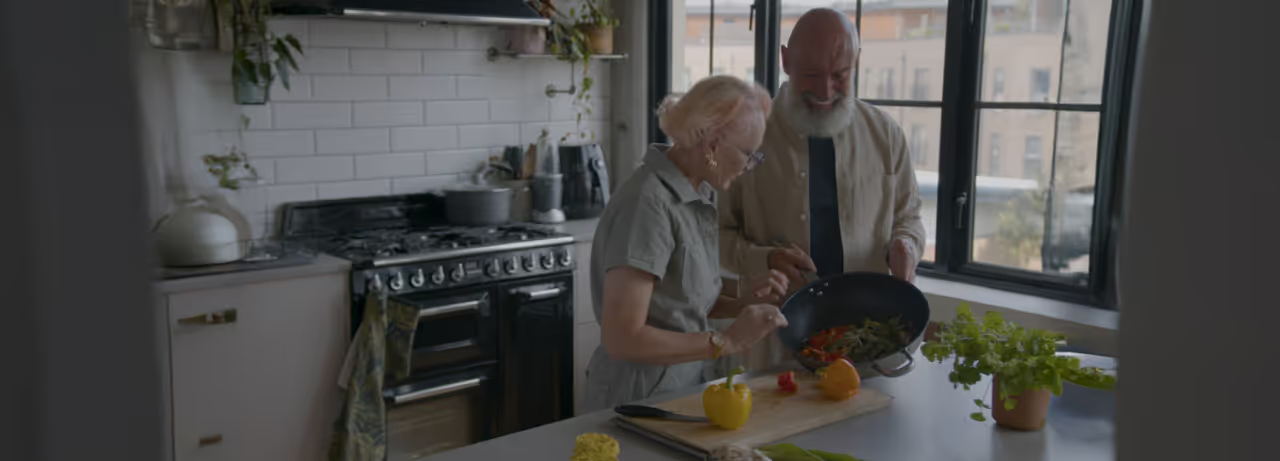
Cooking is a relaxing, practical hobby that allows creativity and experimentation. It can be as simple or ambitious as you like, with plenty of recipes and techniques to explore.
Many people enjoy cooking as a daily ritual once they start it.
If you want to build confidence, BBC Good Food offers beginner cookery skills.
Baking.
Baking is a slower and more precise form of cooking, centred around bread and sweet dishes. Many people find it calming and rewarding, especially at the end, once their bake is on the plate.
It’s ideal for sharing with family, friends or neighbours and can also become a creative outlet.
If you’re new to baking, BBC Good Food has lessons for beginners.
Cheese Making.
One of the more unusual hobbies, cheese making is a hands on activity that teaches patience and attention to detail. It can be done at home with basic equipment, which many people don’t realise.
Making your own cheese offers a sense of satisfaction and you can come up with all types of varieties. Many people enjoy experimenting with different flavours and you may too.
If you want to learn how, Craftsy explains how to make cheese at home.
Wine Appreciation.
What goes well with cheese? Wine!
Wine appreciation focuses on tasting and learning rather than drinking large amounts. It encourages awareness of flavour and aroma aswell as pairings with food.
Many people enjoy wine tasting events or small group sessions, so be sure to check out any events in your local area.
If you’re interested in learning more, Naked Wines offers a beginner guide to wine tasting.
Yoga.
Yoga is a gentle form of movement that supports flexibility, balance and relaxation. It can be adapted to suit all abilities, even at an older age.
Many people enjoy yoga for stress relief as well as physical health. Classes are available online and in person, meaning there’s plenty of options for you.
If you’re new to yoga, Yoga Journal provides a beginner’s guide.
Pilates.
Pilates focuses on strength, posture and controlled movement. It’s often recommended for improving core stability, which everyone can benefit from.
This hobby can support mobility and confidence in everyday movement. Sessions can be tailored to individual needs.
If you want to learn more, Pilates Anytime offers guidance and classes.
Tai Chi.
Tai Chi is a slow and flowing movement practice. It’s often described as moving meditation.
Many people enjoy Tai Chi for balance, coordination and calmness. It’s low impact and suitable for later life, so certainly worth checking out!
If you’re curious, Tai Chi Healthways explains how beginners can start.
Swimming.
Swimming is a low impact activity that supports joint health. It allows full body movement without strain.
Many people enjoy swimming for fitness or relaxation. Pools often offer sessions designed for older adults.
If you want to learn or improve, Swim England offers guidance.
Aqua Aerobics.
Aqua aerobics combines movement with water support. It’s gentle on joints while still offering exercise benefits.
Classes are often social and welcoming with many people enjoying the supportive environment of the pool.
If you want to learn more, Healthline explains aqua aerobics.
Cycling.
Cycling is a flexible hobby that can be enjoyed outdoors or indoors. You can choose gentle routes or build distance over time.
Many people enjoy cycling for fresh air and independence. It’s also a good way to explore local areas.
If you’re new to cycling, Cycle Scheme provides a beginner guide.
E-Biking.
E-biking offers the benefits of cycling with added support. Electric assistance makes hills and longer rides more manageable.
This outdoor hobby is popular with people who want to stay active without overexertion. It can help build confidence.
If you want to understand how e-bikes work, REI has an introduction.
Golf.
Golf is a social sport enjoyed at a steady pace. It combines walking with skill and concentration.
Many people enjoy golf for the routine and outdoor setting. Clubs often welcome beginners of all ages.
If you want to learn the basics, England Golf offers guidance.
Bowls.
Bowls is a popular sport for older adults. It focuses on precision rather than speed or strength.
Clubs are often social and welcoming with many people enjoying the relaxed atmosphere and friendly competition.
If you want to find a local club, Bowls England can help.
Tennis.
Tennis is an active sport that can be adapted to different levels.
Many people enjoy doubles for a more social and casual game. Tennis is great as it supports coordination, balance and fitness.
If you want to learn, the LTA offers guidance for beginners.
Pickleball.
Pickleball is a growing sport that combines elements of tennis and badminton. It’s played on a smaller court so often less intense.
Many people enjoy it because it’s social and easy to learn. It suits a wide range of fitness levels.
If you want to get started, the LTA explains how to play.
Badminton.
Badminton is a fast paced sport that can be played gently or competitively. Doubles games are popular socially.
It supports coordination and movement, many leisure centres offer sessions for older adults.
If you want to learn more, Badminton England provides a beginner guide.
Table Tennis.
Table tennis is quick and engaging. It’s suitable for indoor spaces and social clubs. Table tennis helps with reflexes and coordination.
Many people enjoy casual games with friends and other table tennis enthusiasts rather than competition.
If you want to learn the basics, Table Tennis England explains how to start.
Squash.
Squash is a high-energy sport that can be adapted to ability. Short sessions can still offer good exercise for older adults.
Some people enjoy squash as a social activity with regular partners.
If you want to explore squash, Better explains how to get involved.
Padel.
Padel tennis is a social racket sport played in doubles. It’s less physically demanding than traditional tennis.
Many people enjoy it for its teamwork and relaxed pace. Padel is growing in popularity in the UK, so now would be a wonderful time to explore this hobby!
If you want to learn more, the LTA provides guidance.
Dancing.
Dancing is a joyful way to stay active, and there are many types of dance to explore.
This hobby supports balance, coordination and mood. Many people enjoy learning at their own pace and practising in clubs.
If you want to start dancing, WikiHow offers simple advice.
Ballroom Dancing.
Ballroom dancing is structured and social, encouraging connection and teamwork.
Many people enjoy learning set routines and meeting others. Classes are often welcoming to beginners, so get yourself along for a dance!
If you want to learn more, WikiHow explains ballroom basics.
Line Dancing.
Line dancing is done in groups without partners. It’s surprisingly easy to follow and social.
Many people enjoy the music and group atmosphere. It suits a wide range of abilities.
If you want to try it, WikiHow explains how to get started.
Acting and Drama Classes.
Drama classes encourage creativity and confidence; they offer a chance to try something new in a supportive setting.
Many people enjoy acting for self-expression and social connection. No experience is needed either, which is a great way to start a new hobby!
If you want to learn more, National Drama explains drama education.
Playing Piano.
Learning piano keeps the mind active and improves coordination at any age. You can learn at your own pace and take each session as it comes.
If you want to start, Piano Lessons offers a beginner guide.
Playing Guitar.
The guitar is a versatile musical instrument enjoyed by many. You can learn chords and songs quickly.
It’s suitable for solo practice or playing with others. Many people enjoy online lessons.
If you want to learn, Justin Guitar offers beginner lessons.
Playing Ukulele.
The ukulele is small and approachable instrument that is often easier to learn than the guitar, for example.
Many people enjoy its cheerful sound and portability, attending group playing sessions once confidence has built up.
If you want to try, Ukulele Hunt has a beginner's guide.
Genealogy.
Genealogy involves researching family history, which many people find very fascinating. Uncover long-lost relatives and learn about the origins of your family name along the way.
It can be done online or through records.
If you want to begin, FamilySearch explains how to start.
Volunteering.
Volunteering offers a sense of purpose and connection for many people of all ages. It allows you to support causes you care about too.
Opportunities vary widely. You can choose roles that suit your interests and time.
If you want to explore options, GOV.UK explains volunteering.
Community Group Activities
Joining a community group helps you to socialise and build local connections based on shared interests.
Many people enjoy regular meetings and social interaction, which can reduce feelings of isolation.
If you want to learn more, Join In explains how groups work.
Mentoring.
Mentoring allows you to share experience and support others and is a great hobby for retirement.
Many mentoring roles are flexible and structured, allowing you to mentor in person or online.
If you want to learn more, Mentoring.org offers guidance.
Teaching Skills.
Teaching skills informally allows you to pass on knowledge. This could include crafts, languages or practical skills.
Many people enjoy helping others learn. It can be done through classes or one-to-one.
If you want to explore teaching, OpenLearn offers resources.
Public Speaking.
Public speaking helps to build confidence and communication skills., It can certainly be challenging, but it’s very rewarding!
Many people enjoy supportive social groups that practise together.
If you want to explore this, Toastmasters helps you find a local club.
Blogging.
Blogging allows you to share thoughts and experiences in written form. You can write as much or as little as you like.
Many people enjoy connecting with readers while developing and improving their writing skills.
If you want to start, WPBeginner offers guidance.
Podcasting.
Podcasting involves recording audio content for an audience. It can be done solo or with others depending on the subject matter.
Many people enjoy sharing stories or discussions and the good news is , basic equipment is often enough. So, if you want to reflect on your life, what better way!
If you want to learn more, The Podcast Host explains how to start.
Digital Photo Editing.
Photo editing allows you to enhance images, making it a great add-on hobby to photography.
Many people enjoy learning simple adjustments and editing can improve confidence in photography.
If you want to learn, Adobe offers beginner help.
Video Editing.
Video editing combines creativity and storytelling and can be done on basic software from the comfort of your home.
Many people enjoy editing family videos or travel clips and find that their skills develop with practice.
If you want to learn, TechSmith offers a beginner guide.
Strength Training.
Strength training is a great hobby; it supports muscle health and balance and can be adapted to suit you.
Many people enjoy short sessions at home or classes.
If you want to start safely, Verywell Fit offers guidance.
Circuit Training.
Circuit training involves short exercises in sequence, which can be adjusted to your pace.
Many people enjoy variety and structure and sessions can be as brief as you need them to be.
If you want to learn more, Verywell Fit explains circuit training.
Power Walking.
Power walking adds pace to regular walking, increasing the heart rate without impact.
Many people enjoy it outdoors or on treadmills and it suits older people well as a hobby.
If you want tips, Verywell Fit offers guidance.
Orienteering.
Orienteering combines navigation with walking, challenging your body and mind at the same time.
Many people enjoy learning map skills and there are many events to participate in with others.
If you want to try it, British Orienteering explains how.
Fishing.
Fishing is a calm and patient hobby offering time outdoors and quiet reflection.
Many people enjoy the routine and focus that fly fishing brings and it’s a hobby that can be enjoyed alone or socially.
If you want to learn, Hengistbury Head offers beginner advice.
Fly Fishing.
Fly fishing is a skill based form of fishing. It involves technique and focus.
Many people enjoy the rhythm and setting. It encourages time in nature.
If you want to learn, Orvis offers beginner guidance.
Stand Up Paddleboarding.
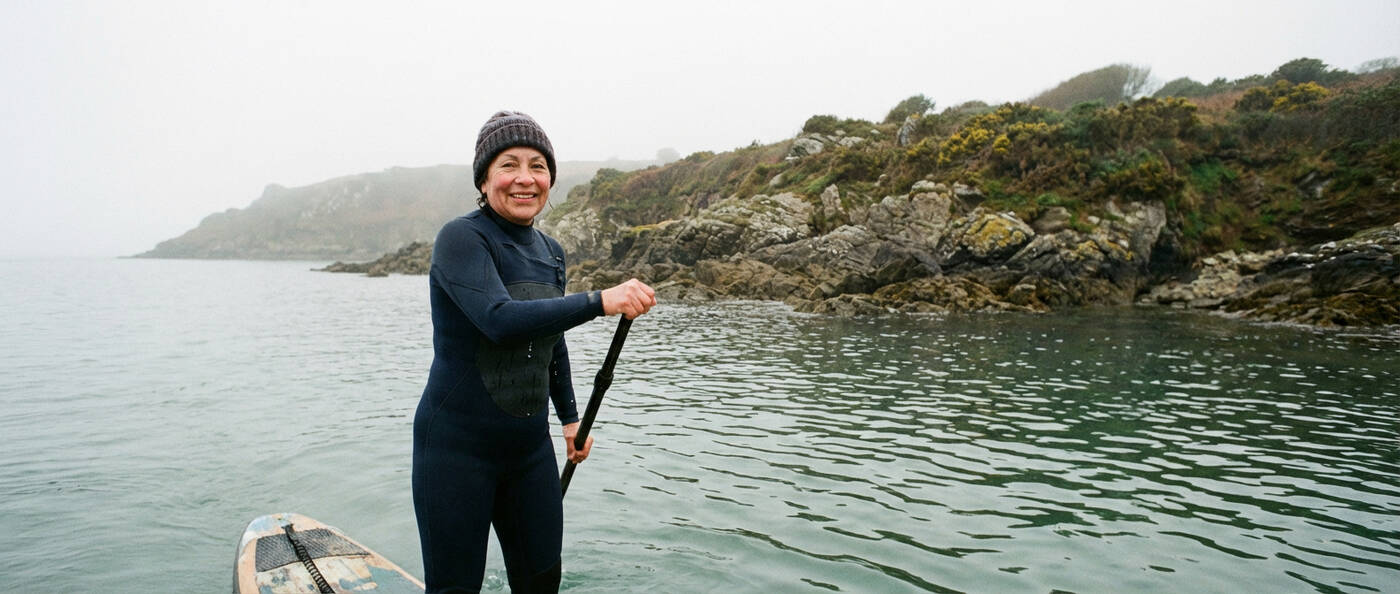
Paddleboarding combines balance and gentle movement. It’s done on calm water, requiring balance skills.
Many people enjoy it for fitness and relaxation, with lessons widely available across the country.
If you want to learn more, Surfer Today explains the basics.
Kayaking.
Kayaking offers low impact exercise on water and can be done on rivers, lakes, and even the sea.
Many people enjoy exploring waterways in groups and the fun elements of kayaking.
If you want to learn, Decathlon explains kayaking basics.
Cold Water Swimming.
Cold water swimming is challenging but a very rewarding hobby that can do wonders for the body.
Many people enjoy the sense of achievement that cold water swimming brings. However, safety and gradual exposure are super important.
If you want to learn more, Cold Water Swimming explains how to start.
Meditation.
Meditation focuses on calm and awareness. It can be practised for a few minutes daily or for longer sessions focusing on breathwork, for example.
Many people find it helps manage stress and it requires no equipment.
If you want to begin, Headspace offers a guide.
Mindfulness.
Mindfulness is something that everyone should practice.
It encourages present-moment awareness and can be very helpful for life’s stressful moments. It can take a little bit of time to get used to mindfulness, but once you do, you’ll enjoy its simplicity.
It supports mental wellbeing, is free, and can be practised at home or outside of the home.
If you want to learn more, Mindful explains mindfulness practice.
Stretch and Mobility Training.
Stretching supports movement and flexibility. It helps maintain comfort in daily life. Many people enjoy gentle routines. Sessions can be short and regular, depending on target areas and flexibility.
If you want guidance, Verywell Fit offers beginner advice.
Indoor Rock Climbing.
Indoor climbing builds strength and confidence, though routes will always vary in difficulty.
Many centres offer beginner sessions with safety equipment and instruction provided. This is a great hobby option for later life and will help to keep you fit!
If you want to learn more, Climbing explains how to start.
Archery.
Archery focuses on precision and calm. It can be practised indoors or outdoors.
Many people enjoy its focus and discipline, which can be especially helpful for improving focus in other areas. Clubs provide equipment and guidance too, so beginners are always welcome.
If you want to try archery, Archery GB explains what to expect.