

In the UK, around half of all women and 1 in 5 men over 50 will experience a fragility fracture in their lifetime. A fracture is never good news, but as you get older having a fracture, particularly in your hip, spine or wrist, can increase risk of disability, loss of independence and mortality. Hip fracture incidence rises with age, and although they are very treatable, they are not benign events. A third of people who suffer a hip fracture do not survive for longer than a year after, and for many they mark the loss of independent living.
Osteoporosis is a risk factor for fractures as it weakens the ability of the bones to withstand shocks. In the UK, 30% of women and 7% of men aged over 50 years or more are estimated to have osteoporosis, with many being undiagnosed. There is effective treatment for osteoporosis, but up to 66% of women who have osteoporosis are not receiving treatment for it. So understanding your risk of osteoporosis and getting it diagnosed early is crucial as you get older.
However, 50% of hip fractures occur in people who do not meet the diagnostic criteria for osteoporosis. This indicates the need to consider diagnosis and treatment of osteoporosis as just one element of a wider strategy of fracture prevention that applies to everyone as they age.
Osteoporosis explained
Osteoporosis is not simply a condition of “weak bones”. It is a structural bone disease in which both bone density and bone quality deteriorate, which can lead to fragility fractures from minimal trauma.
Bone is metabolically active tissue, constantly remodelled through a balance of bone formation and resorption. With ageing, this balance shifts toward resorption. In women, the decline accelerates sharply after menopause due to loss of oestrogen, which normally suppresses bone breakdown. In men, the decline is slower but still significant with almost 30% of hip fractures occurring in men and the outcomes are often worse than in women.
Risk factors for osteoporosis are cumulative over a lifetime. Low body weight, long term oral steroid use or history of a parent having a hip fracture are some indications that you might be at a higher risk for osteoporosis. Additionally, having a history of smoking or drinking excess alcohol or certain chronic medical conditions (for example, rheumatoid arthritis, chronic kidney disease, endocrine disorders) puts you at higher risk.
Osteoporosis is often identified using a DEXA scan which is a quick, low-radiation X-ray that measures bone density. However, not everyone needs a DEXA scan and bone density alone does not fully determine fracture risk. In practice, clinicians use validated risk tools such as FRAX, which incorporate age, prior fractures and other factors to estimate overall fracture risk and guide treatment decisions including the need to assess bone density.
If you think you might be at risk of osteoporosis, you should speak to your doctor who can take a history to help understand your likelihood of osteoporosis. If you are clinically high risk based on your risk factors, you may be started on treatment without a scan. For more borderline cases a scan might be recommended to establish whether treatment is needed.
What actually reduces fracture risk: evidence-based actions
Bone density and osteoporosis explains part of fracture risk, but not all. Age itself independently increases fracture risk even at the same bone density, which is why current guidance focuses on absolute fracture risk, not just how strong your bones are.
The following interventions have all been proven to reduce the risk of fragility fractures as you age:
1. Resistance and impact exercise
- Muscle strength is as important as bone density when it comes to fractures and sarcopenia and osteoporosis frequently co-exist.
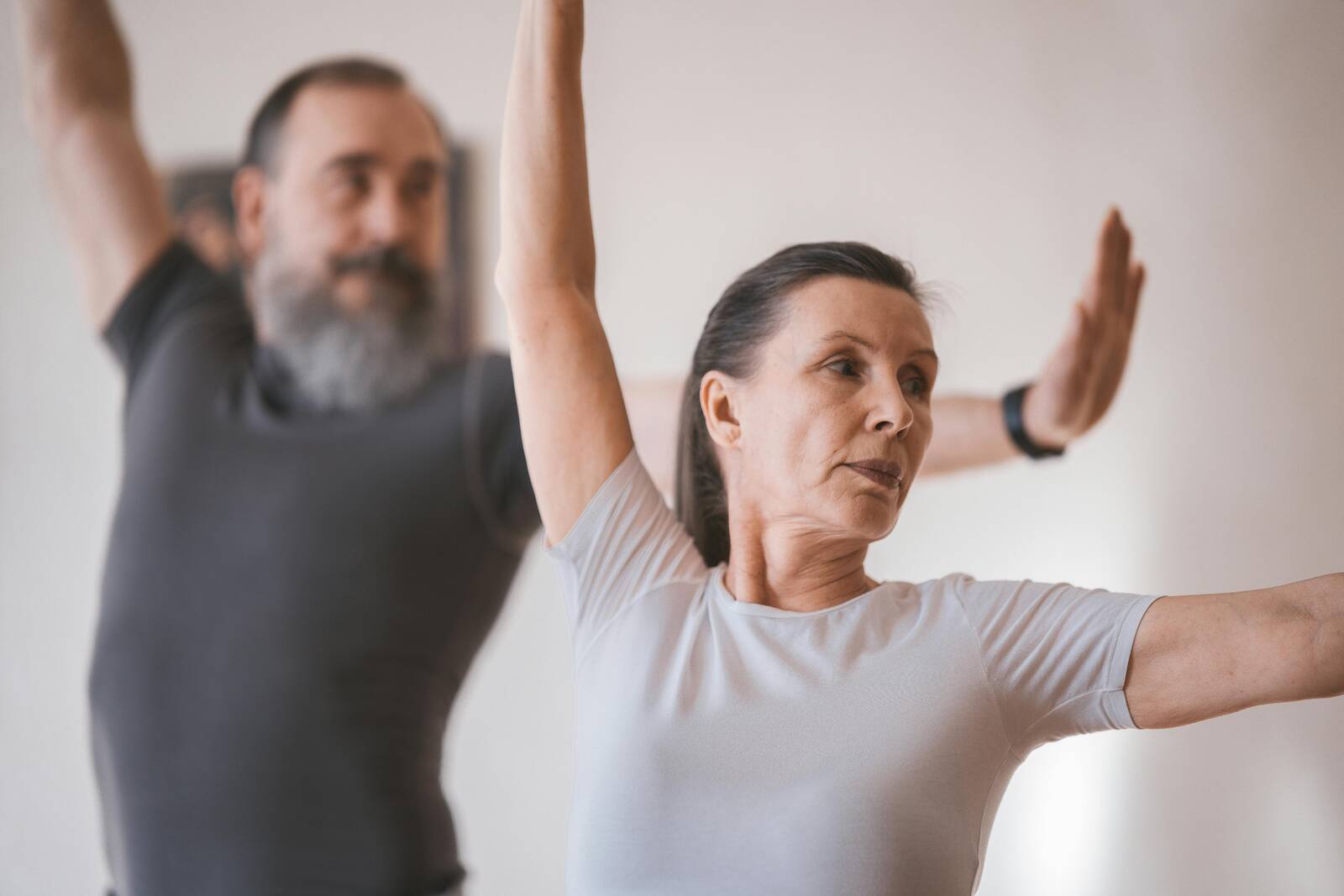
- Twice weekly strength training alongside150 mins of moderate aerobic exercise should be a core component of fracture prevention. Exercises should become gradually more challenging over time.
- Weight-bearing aerobic and resistance exercises improve bone density modestly but have a bigger effect in reducing falls and fractures.
2. Balance training
- Balance training in older people significantly improves stability, reduces fall rates, and boosts confidence, particularly when combined with lower limb strength training.
- Training methods include Tai Chi, yoga, walking heel-to-toe, and standing on one leg.
3. Vitamin D and calcium intake
- Vitamin D deficiency is common in the UK due to limited sunlight
- Supplementation (800-1000 IU/day) reduces fracture risk in deficient populations, particularly when combined with calcium
- Calcium intake target is around 1000–1200 mg/day - ideally this should be from diet (dairy products, tofu, spinach, almonds, chia seeds and broccoli are all good sources) but many people don’t meet the daily requirements, in which case supplements may be worthwhile.
- Note that excessive calcium can cause adverse effects so avoid over-supplementation
4. Fall prevention
- Most fractures result from falls so fall prevention is an important pillar of fracture prevention.
- There are many high-impact, low-hassle changes that can be made including:
- Booking in a vision/hearing check (if needed update glasses prescription or treat hearing loss).
- Ask your doctor for a medication review (sleeping tablets, strong painkillers, blood pressure meds can increase dizziness - your doctor can help balance risks).
- Make small tweaks to your home environment (remove loose rugs, improve lighting, handrails on stairs, install grab rails in bathroom, non‑slip mats).
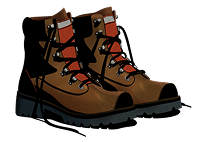
- Upgrade your footwear (secure heel, non‑slip soles and avoid floppy slippers).
5. Identify and treat osteoporosis
- Speak to your doctor about your risk of osteoporosis and fractures and get a DEXA scan if recommended.
- If you are at risk of or have been diagnosed with osteoporosis there are medicines that can effectively improve bone density.
- Bisphosphonates such as alendronate or risedronate are first line, with many second line alternatives available.
6. After a fracture, take action
- If you have a fragility fracture, you are at particularly high risk of another fracture within the next 2 years.
- If you have suffered from a fracture after a simple fall ask your GP or hospital team about a bone health assessment and secondary fracture prevention.
- UK guidance strongly recommends engagement with Fracture Liaison Services; coordinator‑based services that identify people aged 50+ with fragility fractures and organise assessment and treatment to prevent another one.
Fracture prevention in older age shouldn’t rely on bone density alone. While diagnosing and treating osteoporosis remains essential, most fractures occur because people fall. This is often due to reduced muscle strength, balance and confidence rather than weak bones. The evidence is clear that a combined approach, addressing bone health, strength, balance, nutrition, fall risk and rapid action after a fracture, is far more effective than focusing on osteoporosis in isolation.