
Have you ever considered that later life offers the chance to focus more on health and wellbeing? While many older people may not feel it’s the prime time to get into the best shape of their life, we want to prove otherwise! After years of busy work schedules and family commitments, now it’s your time to prioritise habits that support long-term health and happiness.
In this guide, we explore amazing exercise classes for over 60s. Whether you’re completely new to any form of exercise or consider yourself fit already, hopefully you’ll find some helpful information to take with you.
Regular physical activity is not only great for the body but it can play an important role in maintaining independence as we age.
Staying active helps keep the body strong, supports mobility and encourages better overall health. It’s also an excellent way to socialise, boost mental wellbeing and stay connected within the community.
Exercise classes designed for older adults are often structured to suit different fitness levels, so there’s absolutely no pressure.
Many sessions are led by experienced instructors who understand how the body changes with age with exercises adapted to be effective yet gentle. By attending exercise classes regularly, you’ll build strength, improve balance and increase flexibility.
All of these physical skills will boost your confidence in everyday life!
The NHS recommends that adults over 65 aim to remain active each week through a mixture of aerobic activity, strength exercises and balance training.
The good news is that it’s easier than ever to join an exercise class in your local area. Across the UK, many community groups and sports centres now offer dedicated fitness classes for older adults.
You may find sessions at a local leisure centre, community hall or health club. These classes will provide a friendly and supportive environment where you can exercise at your own pace.
From gentle activities such as tai chi and yoga, to water based sessions or strength focused workouts, there are many different ways to stay active. Let’s dive in.
What are the Benefits of Exercise After 60?
Regular exercise offers a wide range of benefits for older adults, some of which you’ve probably not even considered before.
Staying active can support both physical and mental wellbeing and helps to maintain independence for as long as possible in later life. We’ve put together a list of just some of the key benefits of exercise classes and general exercise below.
Improved Cardiovascular Health.
It goes without saying that aerobic activities such as walking, cycling or swimming help strengthen the heart and improve circulation. But we’ll reaffirm this benefit anyway.
Regular physical activity may help reduce the risk of heart disease and support overall cardiovascular health.
As many people age, cardiovascular health becomes a focus, and rightfully so. Staying active is also beneficial for managing high blood pressure, which becomes increasingly common in later life. By incorporating just 150 minutes of cardio a week, such as brisk walking, jogging, cycling, or exercise classes, you will be benefitting your body immensely.
Increased Muscle Strength.
Everybody can benefit from better muscle strength, especially if you’re over 60 years old. In fact, keeping your muscles strong into older age one of the most important things you can do to improve your health outcomes [read more here].
Strength exercises help maintain muscle mass, which naturally decreases as we age. Therefore, by focusing on building muscle, you’ll find everyday activities far easier.
Whether you’re struggling with climbing the stairs in your home or lifting shopping bags, repeated muscle exercises will no doubt help you.
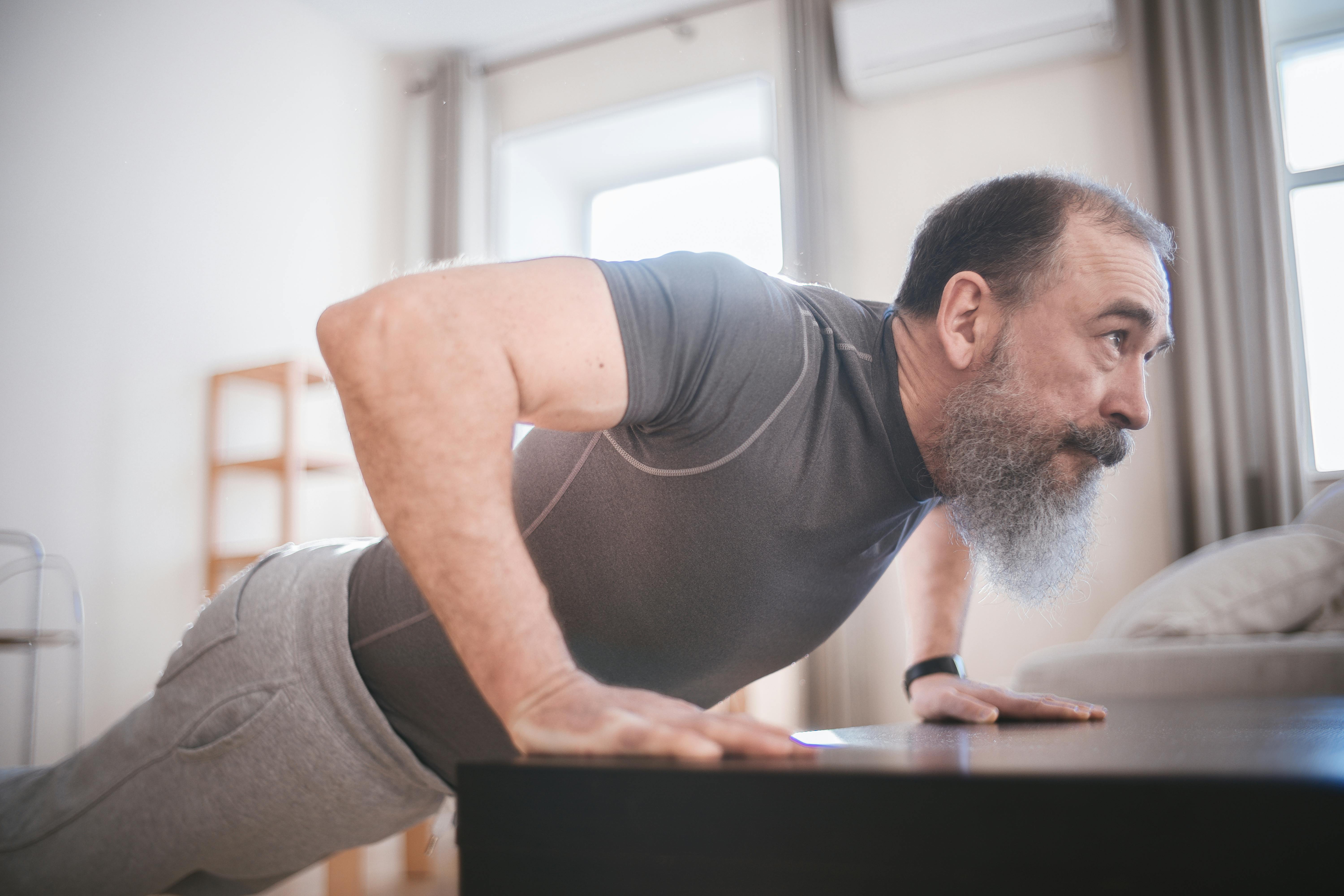
There are so many fantastic muscle strength exercise classes that you can participate in, even from the comfort of your own home. Even without equipment, you can use your own body strength to strengthen and improve your muscles.
Better Balance.
Balance is especially important for over 60s, going a long way to prevent injuries and accidents.
By training the body to maintain stability, you’ll help improve coordination and body awareness at the same time.
There’s a range of exercises that you can incorporate into everyday life to achieve better balance. And, of course, there’s plenty of fun exercise classes such as yoga that focus on balance and core strength.
Reduced Risk Of Falls.
With better balance, improved muscle strength, and flexibility comes a reduced risk of falling.
Falls are one of the most common causes of injury in older adults. Exercises that focus on balance and strength may help reduce the risk of falls by improving stability and confidence while moving.
Improved Joint Mobility.
Regular movement keeps the joints flexible and mobile, which can go a long way for pain relief too.
By practising gentle exercises, you can reduce stiffness in the body and support yourself better if you’re living with a condition such as arthritis.
Increased Bone Density.
Weight bearing exercises, also known as strength training, can help maintain healthy bone density.
For older adults, this is particularly important as bone density naturally decreases during ageing. The good news is that it’s easy to start building bone mass back up, and with the right dietary choices, you could see a real improvement in overall bone health.
Better Weight Management.
Regular exercise helps support a healthy weight and encourages an active lifestyle, both of which are very important for reducing the risk of disease and long-term health problems.
Though weight loss may not be your focus when it comes to exercise, it’s an excellent benefit of moving your body more.
You may feel more energised, mentally clearer, and better equipped to tackle the day ahead!
Improved Mood.
Did you know that exercise can support mental wellbeing by releasing endorphins?
Endorphins are chemicals linked to improved mood and reduced stress, and the more we have running through our body the more positive we often feel.
Reduced Risk Of Chronic Disease.
As mentioned, research suggests that staying active may help reduce the likelihood of several long term health conditions, including heart disease and type 2 diabetes.
By carrying out exercise on a weekly basis, you’ll be in the best position for improved short-term and long-term health and wellness.
Better Sleep.
If you struggle to maintain a regular sleeping pattern, many people find that regular exercise helps to regulate and improve overall sleep quality.
This is another additional benefit of exercise that you may not have considered before!
Improved Cognitive Function.
Studies suggest that physical activity may support brain health and cognitive function in older age.
Your brain benefits greatly from physical exercise, so keep this in mind the next time you find yourself questioning if movement is really worth it.
Higher Energy Levels.
Regular movement often helps increase energy levels. With improved sleeping habits and a natural surge of energy, you may find yourself feeling more youthful than ever.
Many people find they feel more alert and motivated during the day when exercise becomes part of their routine - another great benefit!
Improved Flexibility.
Finally, but not least, activities that encourage stretching can improve flexibility.
This helps with maintaining comfortable movement and good posture later in life.
Important Exercise Types for Over 60s.
Different types of exercise support different areas of physical health, which is why a balanced routine often includes a mix of activities.
Some exercises help build strength, others improve balance, while some focus on flexibility, mobility or cardiovascular fitness.
The good news is that there are many ways to stay active as you get older, and you do not need to stick to just one type of exercise.
Trying a few different activities can help you discover what feels enjoyable and sustainable for your body.
Many people find that mixing a few types of exercise throughout the week helps keep things interesting while supporting overall health.
Below are some of the key types of exercise worth considering as part of your weekly routine.
Exploring different options can help you find the right fit for your lifestyle, your interests and the way you enjoy moving.
Aerobic.
Aerobic exercise increases heart rate and improves cardiovascular fitness. Examples include walking, cycling, dancing and swimming, all of which help to maintain heart health while supporting overall stamina.
Flexibility.
Flexibility exercises help maintain comfortable movement in the joints. Stretching routines and activities such as yoga are often recommended to support flexibility and posture.
Balance.
Balance exercises train the body to remain stable while moving. These movements help strengthen the muscles that support coordination and stability.
Mobility.
Mobility exercises focus on improving the range of movement in the joints. These exercises are particularly helpful for people experiencing stiffness or reduced movement.
Strength Training.
Strength exercises build muscle and support bone health. Resistance bands, light weights or body weight movements are commonly used in fitness classes designed for older adults.
Best Exercise Classes for Over 60s.
There are many types of exercise classes for over 60s available today, and the choice is wider than many people expect.
From gentle stretching sessions to more energetic fitness classes, there are plenty of ways to stay active in a way that suits your lifestyle.
Choosing the right class often comes down to your personal interests, current fitness levels, and how your body feels when you move.
Some people enjoy slower activities that focus on flexibility and balance, while others prefer something a little more energetic that helps boost energy levels and build strength.
The most important thing is finding a class that feels enjoyable and sustainable. When exercise becomes something you genuinely look forward to, it is far easier to make it part of your routine.
If you are looking for inspiration, here are some of the exercise classes we recommend trying in later life.
Yoga Classes.
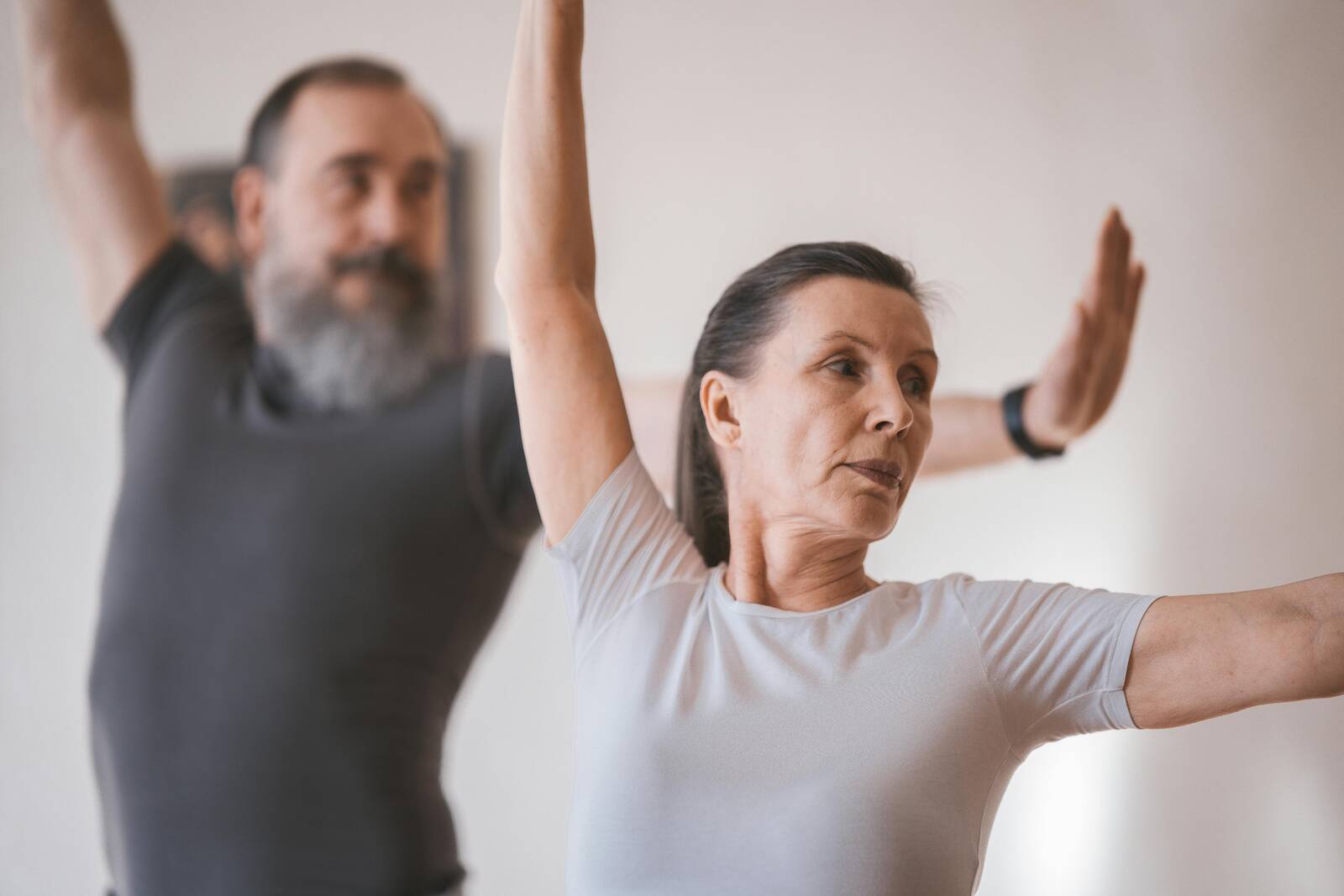
Yoga classes focus on gentle stretching, breathing techniques and controlled movement. Many participants find yoga helps improve flexibility, posture and relaxation at the same time.
Often, yoga studios are designed with relaxation in mind. You’ll find that many practitioners dim the lights for their classes, ground participants with incense, and provide an overall atmosphere focused on calm.
This type of exercise can be very beneficial if you’re struggling with stress and need space to wind down on a weekly basis too.
Pilates Classes.
Pilates classes focus on strengthening the core muscles while improving posture and balance.
These classes are often popular with older adults because movements are slow and controlled, much like yoga.
Again, many instructors create a relaxed atmosphere for classes to be held. Though pilates can be more intense in terms of muscle use than yoga, many of the postures are similar.
Pilates helps you to focus on breathing as well as using key muscles in the body. You’ll likely find that after a few sessions, your balance begins to improve.
Chair Based Exercise Classes.
Chair based classes are designed for individuals with limited mobility, focusing on exercises while seated or using a chair for support.
These classes are designed to be easy to follow and accessible. So, if you’re worried that you can’t participate, you most certainly can!
Chair based exercise classes are very beneficial for muscle strengthening and overall fitness. Don’t be fooled by how much you can work the body even while seated, you’ll find these classes valuable in a wide number of ways.
And, if a class is too much, there are many chair exercises you can do from home by following guided YouTube tutorials.
Aqua Aerobics Classes.
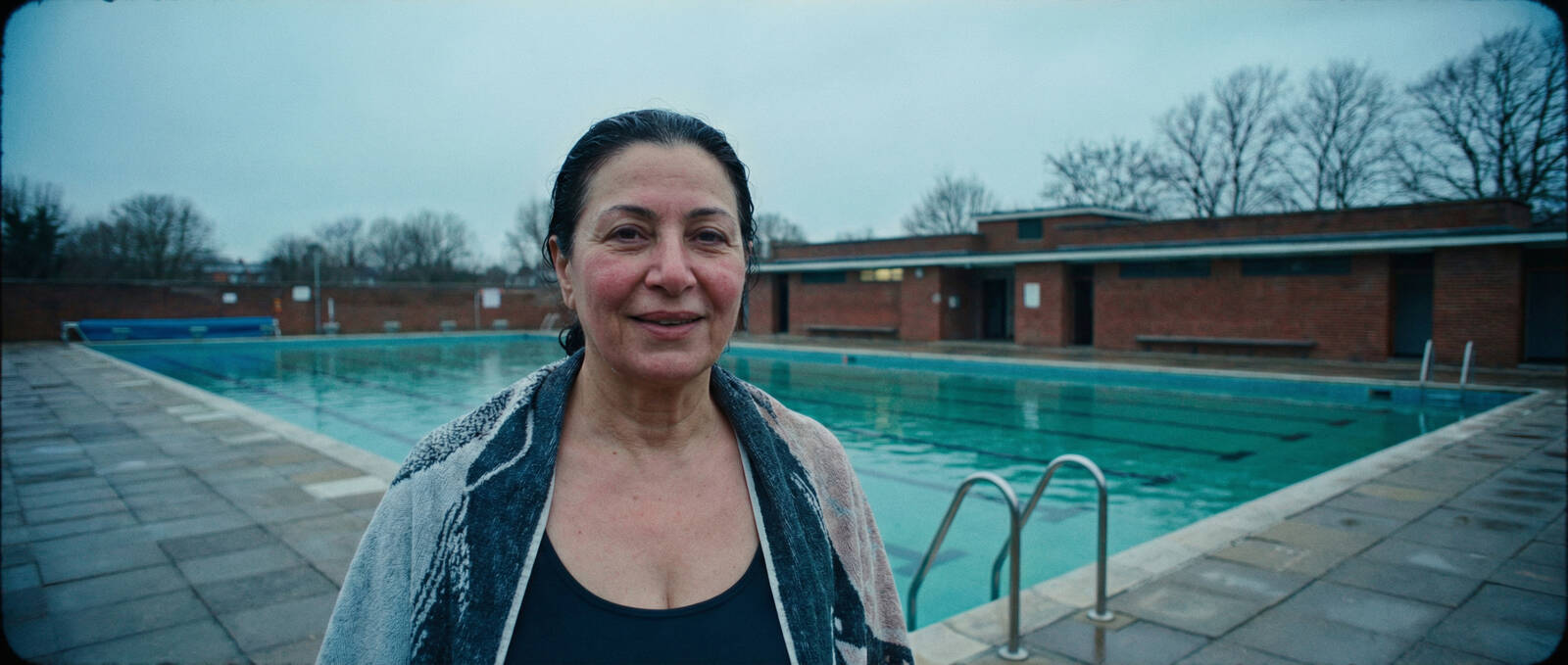
Aqua aerobics takes place in a swimming pool where water resistance provides a gentle but effective workout.
Many older people enjoy the weekly rhythm of getting into the pool and strengthening their muscles through repeated exercises.
This type of class is also a great way to meet like-minded people along the way and engage with the community on a regular basis.
Swimming Lessons.
Swimming provides a full body workout while placing minimal pressure on the joints, making it ideal for older people.
If you’re currently managing joint discomfort or have limited mobility, we recommend that you consider swimming lessons. This can be an excellent way to ease yourself into exercise again or gradually build up strength.
Tai Chi Classes.
Tai chi is a traditional form of exercise that uses slow, flowing movements. These classes focus on balance, coordination and controlled breathing.
Many older people enjoy Tai Chi and find it to be a restorative exercise option for their mind, body, and spirit.
Dance Fitness Classes.
Dance based fitness may sound intimidating, but it’s one of the most enjoyable ways to exercise!
With many different types of dance classes to choose from, these sessions often encourage you to have fun while you sweat. Get moving and grooving at the same time, meet new people and increase your fitness.
Zumba Classes.
Zumba classes blend aerobic movement with dance inspired routines, making them a great option if you want to try a bit of a different exercise class.
Sessions are always upbeat and focus on simple choreography that’s easy to follow, even after 60.
Low Impact Aerobics Classes.
For those who prefer low intensity classes, aerobics avoids jumping or high intensity movements, making the sessions highly accessible for many people. You'll still find the classes to be beneficial for cardiovascular health but the pace is slowed down. This can provide the perfect balance for those seeking to get back into exercise after an injury, for example.
You’ll still find the classes to be beneficial for cardiovascular health but the pace is slowed down. This can provide the perfect balance for those seeking to get back into exercise after an injury, for example.
Strength Training Classes.
Strength classes use light weights or resistance equipment to improve muscle strength and endurance.
Many people often put off strength training as ironically, they don’t think they have the ‘strength’ to lift weights. However, strength training is all about building muscle and strength gradually.
You’ll start with lighter weights that work the body before moving on to heavier ones. Strength training is also a great energy booster and will keep your mood elevated for hours afterwards.
Circuit Training Classes.
Circuit classes involve moving between different exercise stations, each focusing on a specific movement or muscle group.
These exercises are great if you’re seeking structure. We highly recommend circuit training for anyone who prefers to be guided during their fitness training.
Stretching Classes.
Stretching classes focus on flexibility and relaxation, both of which are extremely important, especially in later life.
These sessions help reduce muscle tension and support comfortable movement.
Balance And Stability Classes.
These classes focus specifically on exercises that improve balance and coordination.
Again, both of which are very valuable physical skills to maintain after 60.
Mobility Classes.
Mobility sessions help improve joint movement and encourage comfortable daily activity.
These classes are especially beneficial if you’re recovering from injury or have recently found that you’re less mobile in general.
Indoor Cycling Classes.
Indoor cycling classes involve riding stationary bikes in a structured session led by an instructor.
Again, many people find that they are limited in terms of getting out on their bicycle, so an indoor session is a great way to still benefit from cycling exercise.
Nordic Walking Groups.
Nordic walking groups combine walking with specially designed poles that engage the upper body.
Many older people enjoy walking groups as the exercise is manageable, you can move at a pace that suits you, and meet new likeminded people along the way.
Line Dancing Classes.
If you’re seeking something a bit different, line dancing may just be up your street.
It’s a great way to gently move along with music and classes often bring together a warm group of people who enjoy socialising and having fun too.
Water Walking Classes.
Water walking involves walking through shallow water, which can help to strengthen muscles while remaining gentle on the joints.
This exercise is most enjoyable during the summer months when the weather is warmer. However, you may be able to find local classes near to you during cooler months too.
FAQs
What Are The Best Exercise Classes For Over 60s?
The best exercise classes for over 60s depend on personal preference and ability. Many people enjoy yoga, tai chi, swimming or strength training classes.
Are Exercise Classes Safe For Beginners Over 60?
Classes designed for older adults usually include modifications for different abilities. Instructors often demonstrate alternative movements to help reduce the risk of injury.
How Often Should Over 60s Attend Exercise Classes?
The NHS recommends that adults over 65 aim to stay active every day where possible. Strength and balance activities are suggested at least twice each week.
Which Exercise Classes Are Best For Balance And Mobility?
Activities such as tai chi, yoga and mobility based classes can help support balance and joint movement.
How Do I Find Exercise Classes For Over 60s Near Me?
Many local leisure centre facilities, community groups and sports clubs provide dedicated sessions for older adults. Local council websites may also list available classes.
More Information and Research
NHS Physical Activity Guidelines
https://www.nhs.uk/live-well/exercise/physical-activity-guidelines-older-adults/
NHS Falls Prevention Exercises
https://www.nhs.uk/live-well/exercise/falls-prevention-exercises/
British Heart Foundation Exercise Advice
https://www.bhf.org.uk/informationsupport/heart-matters-magazine/activity/exercise-over-60
These sources provide reliable information about safe physical activity for older adults and the benefits of staying active throughout later life.
References
NHS Physical Activity Guidelines for Older Adults
NHS Falls Prevention Exercise Programme
British Heart Foundation physical activity guidance
World Health Organization physical activity recommendations