
Many people assume that dementia is an inevitable part of ageing. In reality, ageing increases the risk, but dementia is not an unavoidable consequence of growing older. Even among people over 85, the vast majority do not have dementia. Additionally, while ageing and genetics do influence risk of dementia, an increasing body of research shows that our risk of dementia is more in our control than we thought.
The 2020 Lancet Commission on Dementia Prevention is one of the most comprehensive evaluations of dementia that we have. It highlights something surprising - far from being written in our destiny, it estimated that up to 45% of cases of dementia could be prevented by addressing 14 risk factors. The authors are very clear that it’s never too late to start habits that could help prevent dementia, and a systematic review specifically looking at prevention of dementia in the oldest population also found evidence that many interventions started in later life can help stave off cognitive impairment right into people’s 90s and beyond.
Many of the risk factors are what you might expect - high blood pressure, smoking or obesity. However, there are other things that you might not associate with dementia. Things like hearing loss, low social contact and depression. In fact, hearing loss and social isolation are two of the most powerful risk factors for dementia, and crucially, it’s never too late to address them.
So what can you do? Based on the findings of the 2020 Lancet Commission and subsequent 2024 updates, there are a few key things you can focus on in mid- and later-life that can significantly reduce your risk of developing dementia
1. Optimise your cardiovascular and metabolic health
- You should identify and manage any high blood pressure (20% increase in risk), diabetes (70% increase), high LDL cholesterol (30% increase) and weight gain (30% increase at BMI >30). If you are a Lateral member, these risk factors are checked at your annual health check and if any concerns are flagged, you can work with your GP who may recommend lifestyle changes or medications to optimise them.
- Improving your diet is one of the best ways to make improvements to your overall cardiovascular and metabolic risk. This includes reducing salt, sugar and saturated fats in your diet and focusing on fibre-rich whole foods. Recognising this, the Lateral Health Plan includes access to dietitians who can help make a plan to optimise your diet for your individual health needs.
2. Keep physically active
- We know that keeping physically active helps you maintain a healthy weight and improve your metabolic health, which are dementia risk factors. However, exercise increases blood flow to the brain which independently lowers dementia risk. Both aerobic exercise and strength training have been shown to be highly protective against dementia. In fact, the Lancet paper showed that lack of exercise was associated with a 40% increase in dementia risk.
- You should be aiming for at least 150 minutes of moderate aerobic activity per week and 2 strength-training sessions. But gains can be made at any activity levels, and the reduction in dementia risk is greatest for those who go from being very inactive to doing some physical activity. Getting older sometimes means you have to adapt the ways you stay active, so we’ve designed our Lateral Health Plan to include proactive physiotherapy, where you can discuss the best ways to stay active no matter your baseline ability.
3. Pay attention to your hearing and vision
- Untreated hearing impairment is a common risk factor, estimated to affect almost a third of the population from mid-life onwards. Hearing loss is associated with a 40% increase in dementia risk. Modelling studies estimate that 7% of cases of dementia globally are attributed to hearing loss, making it the single largest modifiable risk factor identified by the Lancet Commission.
- One study found that for every 10dB of worsening hearing, dementia risk increased even if hearing was still technically in the normal range. It has also been found that this risk is significantly reduced if you use hearing aids.
- You can get a free hearing test via a referral from your GP, or you can book a free one on your high street, with Boots and Specsavers usually offering this service. If you want to check your hearing in a hurry, there is an online test that you can take in 3 mins - but results are likely to be less accurate than in-person tests. If you are over the age of 60 you should consider getting your hearing checked every year to make sure any subtle hearing loss is picked up early- based on the research, it could help reduce your chances of developing dementia.
- In 2024, the Lancet added untreated visual impairment as another risk-factor for dementia (50% increase in risk), although the evidence is newer and less extensive than for hearing. Regardless, this means that in later life you should get regular eye checks, wear glasses to correct vision where necessary and treat cataracts early.
4. Keep engaged socially and prioritise mental health
- Social isolation is one of the strongest and most consistent risk factors for dementia identified to date (60% increased risk).
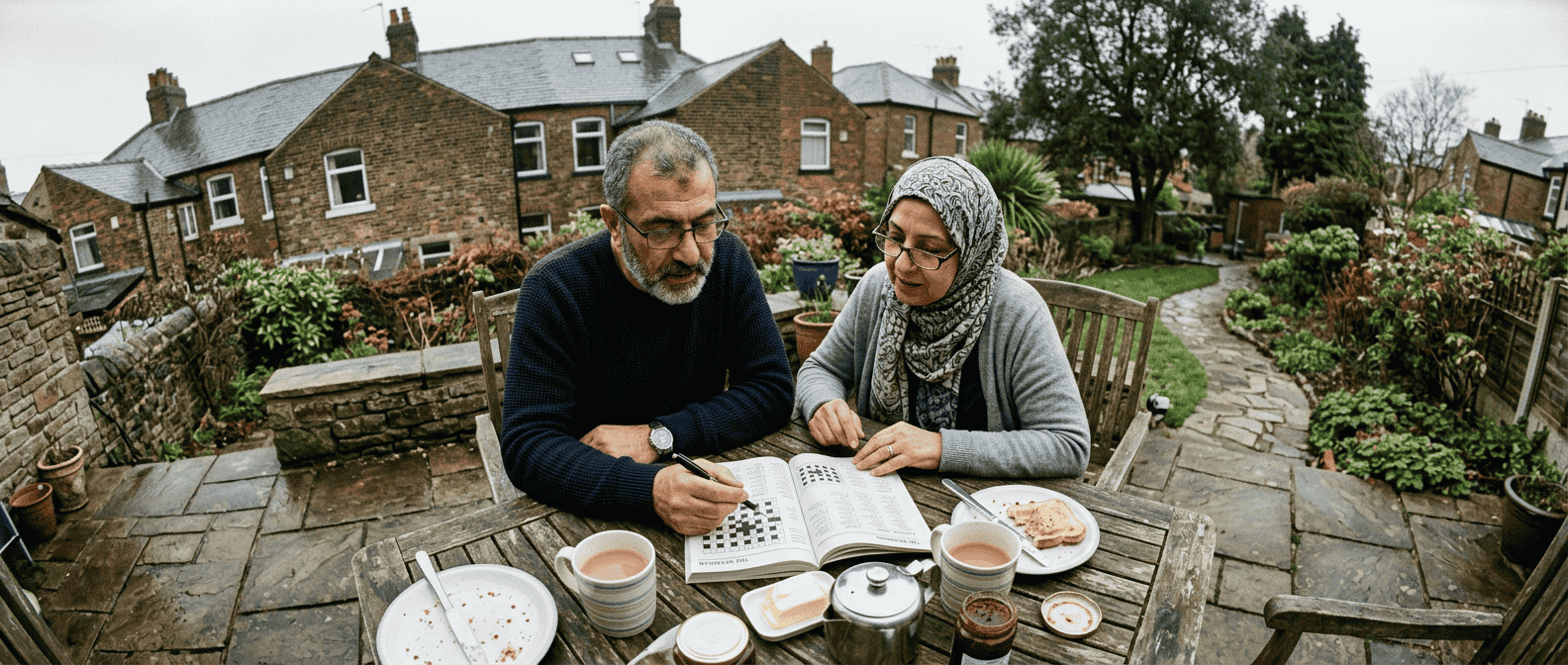
- Many people turn to sudoku, crosswords or commercial “brain-training” games to keep their minds sharp. While these activities can improve performance on the specific tasks you practise, the evidence that they meaningfully reduce the risk of dementia is limited, and they are not highlighted as isolated protective factors in the Lancet Commission.
- That does not mean mentally stimulating activities are unhelpful. A wide range of hobbies such as reading, playing music, learning a new language, travelling, playing cards or chess, and taking adult education classes have been associated with a lower risk of dementia in large observational studies.
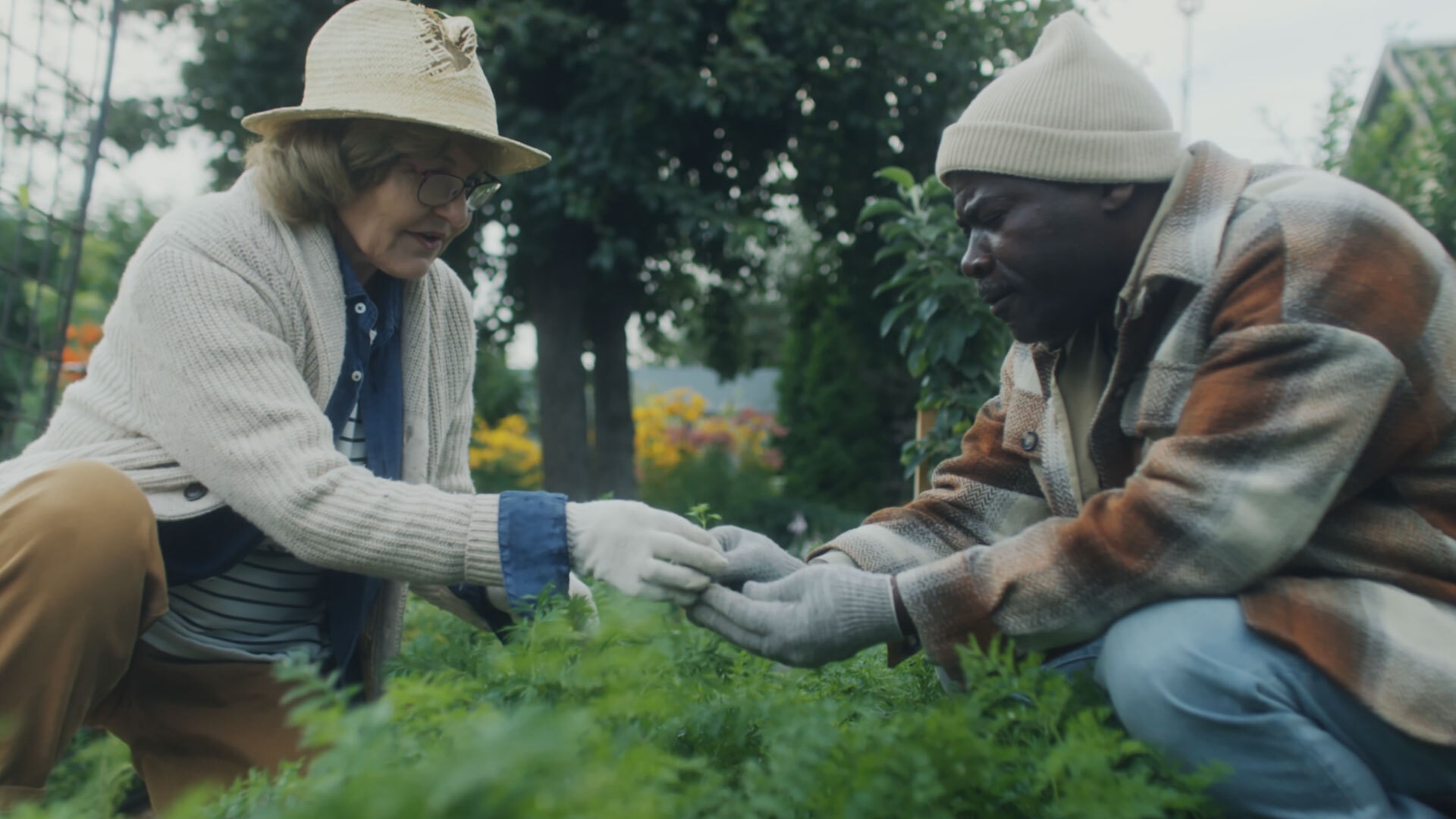
- However, the strongest and most consistent evidence points to social engagement as an important protective factor against dementia. Shared activities such as group music-making, dancing, volunteering, or community learning appear to offer greater protection than solitary brain exercises alone, likely because they engage multiple cognitive, emotional and social pathways at the same time.
- Overall, staying socially connected through joining community groups, maintaining friendships or volunteering should be a priority as you get older. Not only is it protective against dementia, but it also reduces the risk of depression.
- Depression in later life is associated with increased dementia risk (120% increase), although it may act both as a risk factor and an early symptom of dementia. If you feel persistently low, withdrawn or isolated, seeking help from your GP or mental-health services is important, both to address your wellbeing now and to optimise your long-term brain health.
5. Avoiding harmful lifestyle habits
- Smoking (30% increased risk) and excessive alcohol consumption (20% increased risk at over 21 units a week) are major modifiable risk factors for dementia.
- If you smoke, ask your GP about local quit-services. These are usually free and can help support you in giving up smoking. Even stopping smoking late in life can have a considerable impact on your dementia risk.
- For alcohol, the UK guideline to lower your risk is to stay below 14 units/week. But current evidence shows that even low levels of alcohol intake may be harmful over the long term, so staying well below this or avoiding alcohol altogether is the best approach.
What does this mean for me?
The Lancet Commission provides useful insight on the different things you can do today to improve your dementia risk. Rather than focus on any one of these domains, doing multiple beneficial activities at the same time will yield the greatest possible protective effect. Whatever age you are, choose 2-3 domains you can realistically change now (for example; increase exercise + optimise social engagement + hearing check) and build on those gradually. Set realistic goals to make changes sustainable. For instance: walk 30 minutes five days a week, call a friend every other day, or add one extra portion of vegetables to each dinner. Long-term adherence matters more than occasional bursts of change. While there is no guarantee you will avoid dementia (there is unavoidably a genetic component of this), the evidence firmly supports that paying attention to modifiable lifestyle and health factors can reduce overall risk of dementia, delay onset of disease and give you the best chance of staying sharp well into old age.